

Why Couples Book Historic Los Angeles Wedding Venues Downtown
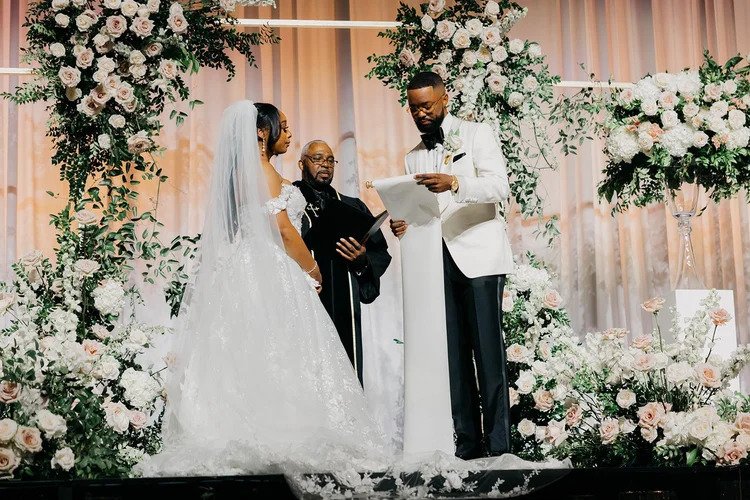
Historic Los Angeles wedding venues are often chosen because they already feel complete the moment you walk in. In Downtown Los Angeles, couples are drawn to spaces that carry architectural history, natural character, and production capability without needing heavy transformation. The venue becomes part of the wedding atmosphere rather than just a container for it.
What stands out in these spaces is not just design, but presence. Some venues feel built for decoration. Historic buildings feel like they already hold stories, which is why they photograph differently and feel more emotionally grounded during the event itself.
In practice, couples searching for traditional celebrations, including Indian wedding venues, are not only selecting a location. They are selecting how the entire day will look, move, and feel in real time.
1920s Architectural Charm That Shapes the Entire Wedding Experience
There is a noticeable difference between a modern blank space and a preserved 1920s building in Downtown Los Angeles. It is not about decoration or styling. It is about how the structure itself interacts with light, sound, and movement.
Many of these historic Los Angeles wedding venues were built with craftsmanship that is difficult to replicate today. High ceilings change the way a room feels once it is filled with guests. Ornamental walls and textured finishes create natural depth that does not need additional design layers. Even when the setup is minimal, the venue still feels visually rich.
Photographers often gravitate toward these spaces for a simple reason. The environment does a lot of the work. Light behaves differently on older materials, and that creates variation throughout the day without artificial staging.
Couples tend to notice something subtle during walkthroughs. The space already feels like it has momentum. It does not need to be “built into” a wedding setting. It already resembles one.
Flexible Multi-Level Layouts That Shape Guest Flow Naturally
Historic buildings in Downtown Los Angeles are rarely flat or single-purpose in design. Many were originally constructed with layered floors and segmented rooms that now translate surprisingly well into wedding flow.
Instead of hosting everything in one open area, these layouts allow events to unfold gradually. Guests move through the space in stages without feeling directed or rushed.
What this creates is a more natural pacing to the wedding itself. Conversations happen in different pockets of the venue, transitions feel less mechanical, and each moment has its own physical setting.
In real planning scenarios, these spaces are often used in ways that feel intuitive rather than forced:
Ceremony held in a main hall with strong architectural framing.
Cocktail hour transitioning into a secondary lounge or adjoining room.
Reception and dining positioned where acoustics feel most balanced.
The dance floor separated just enough to shift energy without disconnecting guests.
Private rooms used for family, coordination, or quiet reset moments.
The advantage is not just spatial. It is emotional. Guests are not standing in one continuous crowd for hours. They are moving through different atmospheres that feel connected but distinct.
Full Production Capability Without Losing Historic Character
There is a common assumption that historic venues are difficult to produce at scale. In Downtown Los Angeles, that is not always the case.
Many of these buildings have been adapted over time to support modern lighting systems, sound design, staging, and large-scale event execution. What makes them different is that production does not replace the space’s character. It works alongside it.
That balance is one of the reasons couples continue to book these venues for larger celebrations. The space still feels authentic, even when fully transformed.
Production teams typically work within a framework that includes structural support for lighting rigs, integrated sound compatibility, and flexible staging areas that can be adjusted based on the program flow.
Instead of overbuilding the environment, the approach is usually more refined. Lighting highlights architecture instead of hiding it. Sound is shaped around the room rather than overpowering it. The movement is designed to respect the building rather than fight against it.
When this is executed properly, the result feels cohesive rather than staged.
Why Couples Continue Choosing Historic Downtown Los Angeles Wedding Venues
There is a reason these venues remain consistently in demand, whether for weddings or as a conference venue Los Angeles even as newer spaces open across the city. Couples are not just reacting to aesthetics. They are responding to how the space behaves during a real event.
A historic venue tends to hold attention differently. Guests slow down when they enter. Photos feel less posed. Moments feel less manufactured. The environment adds weight without needing to be the center of attention.
What often matters most is that nothing feels generic. Even when weddings follow similar formats, the venue prevents the experience from feeling interchangeable.
That is where historic Los Angeles wedding venues stand apart. They create a sense of permanence in an event that only lasts a few hours.
Frequently Asked Questions
Q1. Why are historic Los Angeles wedding venues so popular in Downtown LA?
A. They offer architectural depth, emotional character, and production flexibility in a single setting. Couples are often drawn to how naturally these spaces support both visual storytelling and event flow.
Q2. Do historic venues work for large weddings?
A. Yes, many Downtown Los Angeles historic venues are designed or adapted to support large guest counts along with lighting, sound, and staging requirements.
Q3. What makes 1920s architecture ideal for weddings?
A. 1920s buildings often feature craftsmanship, height, and material detail that create a strong natural atmosphere without needing heavy decoration or design layers.
Q4. Are multi-level venues better for weddings?
A. They are not universally better, but they do create more dynamic guest flow. Movement between levels helps structure the event into distinct experiences.
Q5. Do historic venues require more planning than modern spaces?
A. They can require more coordination, especially around logistics and production, but they also reduce the need for heavy visual design because the space already carries character.
Final Thoughts
Historic Los Angeles wedding venues in Downtown Los Angeles continue to appeal because they offer something difficult to replicate in modern builds: presence.
When architecture, layout, and production work together, the venue stops feeling like a backdrop and becomes part of the memory itself. Couples are not just choosing where to host a wedding. They are choosing the atmosphere that will define how the day is remembered.
