Why Historic Venues Are Ideal for Film Production Shoots
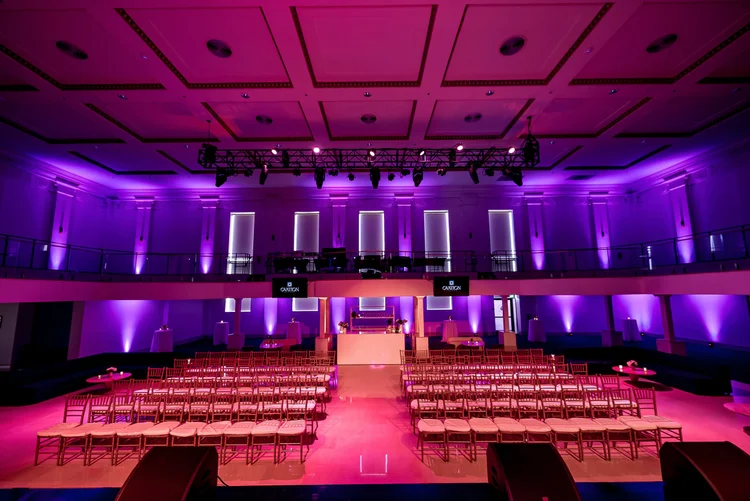
Historic venues are ideal for filming productions because they combine strong architectural character, flexible spatial layouts, and production-ready infrastructure that support modern film and content creation. What Makes Historic Venues Ideal for Filming Productions is the way these spaces naturally enhance visual storytelling while also improving on-set efficiency.
Instead of building environments from scratch, production teams can work within locations that already feel cinematic, reducing setup time while improving visual depth and authenticity.
Why Historic Venues Work So Well for Film Production
Historic venues are highly effective for filming because they already contain built-in visual storytelling elements that modern blank spaces often lack. This allows production teams to focus more on directing, lighting, and performance rather than constructing an entire scene from the ground up.
These environments also help establish tone quickly as a photoshoot rental space. The architecture, materials, and spatial design naturally guide how a scene feels on camera, making them especially useful for film, commercials, interviews, and digital content production.
Architectural Character That Enhances On-Screen Storytelling
Historic venues are widely chosen because of their architectural depth and visual personality. These spaces often feature design details that immediately elevate the cinematic quality of any production.
They typically include elements such as textured walls, arched structures, detailed ceilings, and naturally aged finishes that create strong visual framing. These details help shape mood and atmosphere without requiring additional set dressing.
The result is a space that feels authentic on camera, allowing filmmakers to create visually rich scenes with minimal styling or modification.
How Multi-Room Layouts Improve Filming Efficiency
One of the biggest advantages of historic venues is their multi-room structure, which makes them highly practical for filming productions that require multiple scenes or departments within one location. Instead of working in a single open space, production teams can move between different rooms designed for different purposes.
Production teams can film multiple scenes in separate rooms within one venue
Wardrobe, makeup, and production departments can operate in dedicated spaces
Equipment storage can be separated from active filming areas to maintain organization
Scene transitions become faster since all locations exist within one building
Workflow remains controlled because cast and crew stay in a single location
Because everything is contained within one venue, production teams can maintain better control over timing and workflow, which is especially important during tight shooting schedules.
Production-Ready Infrastructure in Historic Venues
While historic venues are known for their aesthetic value, many have been upgraded to support modern filming requirements. This combination of preserved design and updated infrastructure makes them highly functional for production use.
These venues often include enhanced electrical systems for lighting equipment, rigging points for cameras and sound gear, and improved acoustics for clearer audio recording. Many also provide structured load-in access and flexible power distribution across multiple rooms.
These upgrades allow production teams to focus on creative execution while minimizing technical disruptions during filming.
How Historic Venues Support Modern Production Workflows
Historic venues continue to be widely used in film and content production because they balance visual authenticity with operational efficiency. Their natural design reduces the need for extensive set construction, while their upgraded infrastructure supports professional production demands.
This allows teams to work more efficiently, maintain visual consistency, and adapt spaces quickly for different scenes, venue for branding events, or creative directions. The combination of atmosphere and functionality makes these venues highly valuable in fast-paced production environments.
Historic venues are ideal for filming productions because they combine architectural character, multi-room flexibility, and production-ready infrastructure in one environment. This allows production teams to create visually compelling content while maintaining efficiency and control on set.
By reducing setup complexity and providing naturally cinematic spaces, historic venues continue to be a practical and creative choice for modern film, commercial, and digital productions.
Frequently Asked Questions
Q1: Why are historic venues ideal for filming productions?
A. Historic venues are ideal because they provide built-in architectural detail and cinematic environments that reduce the need for heavy set design while improving visual storytelling.
Q2: What makes historic venues better than modern filming spaces?
A. Unlike modern blank spaces, historic venues already contain textures, structural detail, and atmospheric elements that enhance on-camera visuals immediately.
Q3: How do multi-room layouts help film production teams?
A. Multi-room layouts allow teams to shoot multiple scenes in one location, improve workflow efficiency, and separate departments like wardrobe, makeup, and production.
Q4: Are historic venues suitable for professional filming equipment?
A. Yes, many historic venues are upgraded with modern electrical systems, rigging points, and acoustics that support professional film production equipment.
Q5: Can historic venues be used for commercial shoots?
A. Yes, they are commonly used for commercials, branded content, interviews, and digital productions due to their strong visual identity and flexibility.
