7 Features That Make Special Event Venues Worth Booking
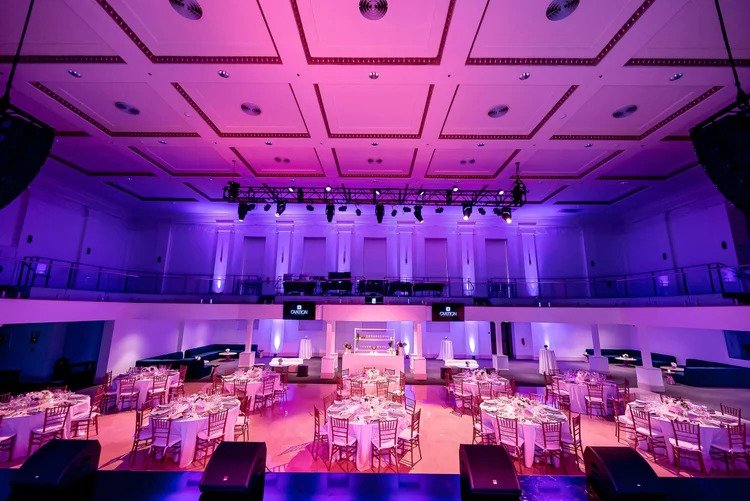
Special event venues are worth booking when they make planning easier and events more seamless from start to finish. The strongest venues are not defined by appearance alone, but by how well they support production, guest flow, and overall event execution.
Planners comparing special event venues often notice that the real differences only appear during setup, not in photos. A space that looks simple can perform extremely well, while a visually impressive venue can struggle once production begins.
Understanding key features helps separate functional venues from purely aesthetic ones.
1. Multi-Level Layouts for Diverse Event Experiences
Multi-level venues are designed to separate different event moments without losing connection between spaces. Instead of one flat room, guests experience movement and transition.
These layouts naturally support events that require pacing, such as shifting from cocktails to dinner or from presentations to entertainment.
They also help reduce crowd congestion and improve how guests experience the flow of the event.
2. Built-In AV and Production Capabilities
Built-in production systems are one of the most important features in modern venues. They reduce setup complexity and improve reliability during live execution.
Instead of bringing in full external setups, planners can rely on infrastructure already integrated into the space.
These systems often include:
Professional sound systems calibrated for the venue layout.
Lighting grids designed for flexible production setups.
Built-in projection or display capabilities.
Power distribution designed for event production needs.
Technical access points for quick adjustments.
Venues with these systems allow production teams to focus more on experience and less on troubleshooting.
3. Unique Architectural Elements Like Vintage Vault Spaces
Architectural features often define the personality of a venue before any design work begins. Spaces with vintage vaults, exposed structures, or restored industrial details already carry visual weight.
These environments reduce the need for heavy styling because the architecture itself becomes part of the experience.
Vintage vault areas, for example, often create a sense of depth and exclusivity. Industrial textures bring contrast and character. High ceilings change how lighting behaves and how large a space feels once occupied.
For many planners, these details become the visual highlight of the entire event.
4. Flexible Floor Plans That Adapt to Different Event Types
Not every event follows the same structure, which makes flexibility essential.
Venues with adaptable layouts allow planners to shift between seated dinners, open networking, or performance setups without major redesign.
This flexibility is especially useful for corporate events or brand activations where the format may change during the day.
5. Strong Back-of-House Access for Smooth Operations
Back-of-house logistics often determine how smoothly an event runs, even if guests never see it.
Venues with proper service corridors, loading access, and vendor staging areas reduce delays during setup and breakdown.
Without this infrastructure, even well-designed events can face timing issues or congestion behind the scenes.
6. Natural Lighting That Enhances Event Atmosphere
Lighting affects how guests experience both the space and the event itself.
Venues with strong natural lighting create a different atmosphere during daytime events, while adaptable lighting systems allow smooth transitions into evening experiences.
This balance is especially valuable for events that run across multiple phases.
7. Location and Guest Accessibility
Even a well-designed venue can lose impact if it is difficult for guests to reach.
Accessibility affects arrival experience, parking convenience, and overall guest perception of the event.
Venues that are easy to navigate help reduce friction before the event even begins, allowing guests to arrive in a more relaxed state.
Frequently Asked Questions
Q1. What makes special event venues worth booking?
A. They are worth booking when they support smooth execution, offer strong infrastructure, and enhance both guest experience and production needs.
Q2. Why are multi-level venues useful for events?
A. Multi-level layouts create natural separation between event phases and improve crowd flow without requiring physical barriers.
Q3. Do built-in AV systems really matter?
A. Yes. Built-in AV systems reduce setup time, improve reliability, and make live production significantly easier to manage.
Q4. How do architectural features affect events?
A. Architectural features influence atmosphere, lighting behavior, and how visually memorable a venue feels without additional décor.
Q5. What should planners prioritize when choosing a venue?
A. Planners should prioritize functionality, guest flow, production capability, and accessibility over visual appeal alone.
Final Thoughts
The most valuable special event venues are the ones that quietly support every part of an event without creating friction.
Multi-level layouts, built-in production systems, architectural character, and flexible design all contribute to smoother execution. When these features work together, the venue becomes more than a backdrop. It becomes an active part of the experience.
For planners, the best choice is always the venue that makes everything else easier.
