

How to Choose Between Los Angeles Wedding Venues for Large Celebrations
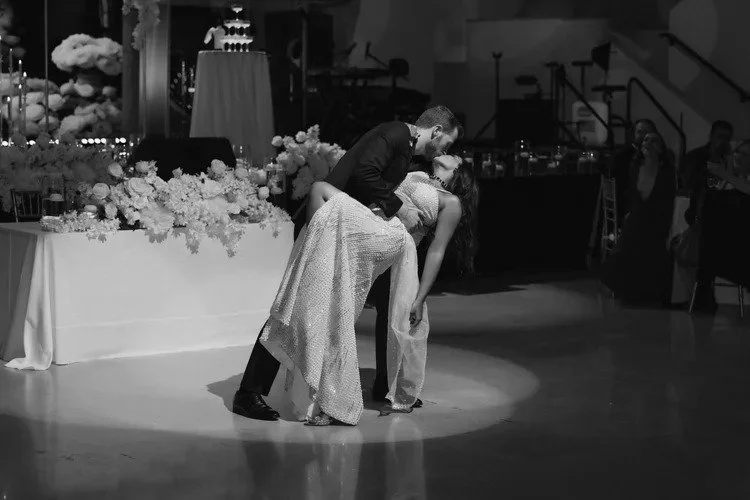
Los Angeles wedding venues for large celebrations require careful comparison. A venue might look perfect in photos, but large weddings depend on how well the space performs when fully occupied, with guests moving, dining, and celebrating at the same time.
Los Angeles offers a wide range of wedding venues, from historic buildings and modern event spaces to Downtown locations that prioritize convenience and scale. For large guest counts, the decision is less about appearance and more about function once the event begins.
Understanding how these venues differ helps couples avoid choosing a space that looks right but does not fully support the flow of a large celebration.
Capacity Alone Does Not Tell the Full Story
When couples first review Los Angeles wedding venues, capacity is usually the first number they look at. It feels like the most important filter at the beginning of the search.
But real wedding conditions are different from listed capacity. Once tables, dance floors, staging, catering areas, and décor are added, the usable space often changes significantly.
A venue that technically fits 300 guests may feel very different depending on how the layout is designed. Some spaces feel open and balanced even at full capacity, while others start to feel restricted once the event setup is complete.
The goal is not just to fit guests in, but to ensure they can move comfortably throughout the entire experience. A helpful way to evaluate capacity is to consider how the space behaves when fully built out, not when it is empty.
What to Look for in Flexible Floor Plans
Not all venues handle layout changes in the same way. Some spaces are designed with fixed structure, while others allow more flexibility depending on the event design.
For large weddings, flexibility becomes especially important because the space needs to support multiple phases of the event often within the same footprint.
A strong venue should allow adjustments without disrupting flow or guest comfort.
Common indicators of a flexible venue include:
Layouts that can shift between ceremony and reception setups.
Open floor areas that support dance space or entertainment.
Clear separation between dining, bar, and circulation zones.
Easy movement paths for guests without congestion points.
Back-of-house access that does not interfere with the main event.
When a venue offers flexibility, planners have more control over how guests experience each part of the celebration.
Instead of forcing the event into a fixed structure, the venue adapts to the timeline of the day.
Historic vs Modern Wedding Venues in Los Angeles
Historic and modern venues, including a conference venue Los Angeles, create very different experiences, even when they offer similar capacity or location advantages.
Historic venues tend to carry more visual identity. They often include architectural details and a sense of character that naturally influences the atmosphere. These spaces already feel “complete,” which can reduce the need for heavy design work.
Modern venues take a different approach. They usually provide cleaner layouts and more neutral environments that allow full creative control. Lighting, décor, and layout design become the main tools for shaping the atmosphere.
Neither option is universally better. The decision depends on how much of the visual identity the couple wants to come from the venue itself versus how much will be built through design and production.
Historic spaces often feel more emotionally grounded. Modern spaces often feel more adaptable. What matters most is how the venue supports the experience once guests are inside, not just how it appears during a walkthrough.
Why Parking and Accessibility Matter More Than Expected
Parking and accessibility are often underestimated during the early planning stages, but they become one of the most noticeable parts of the guest experience.
In areas like Downtown Los Angeles, where many popular wedding venues are located, arrival logistics can directly affect timing and guest comfort. Even a well-designed venue can feel stressful if guests struggle to find parking or enter the building efficiently.
For large weddings, this becomes even more important because arrival happens in waves, not all at once. Any delay at entry points can affect the entire schedule.
Couples planning large celebrations often look for venues that offer:
Clear parking instructions or valet coordination.
Nearby structured parking options for guests.
Easy drop-off access for elderly or VIP guests.
Multiple entry points to avoid crowd buildup.
Clear signage and arrival guidance.
A smooth arrival experience helps set the tone for the rest of the celebration. Guests arrive more relaxed, which naturally improves the energy of the event.
Why Large Weddings Depend on Flow, Not Just Design
Large weddings are not defined by how the venue looks when empty. They are defined by how the space performs when fully active.
Once guests arrive, everything starts moving at the same time. People are seated, photos are taken, food is served, and transitions happen continuously. If a venue does not support this movement naturally, even a beautiful space can feel crowded or disorganized.
Good wedding venues are designed to handle flow without drawing attention to it. Guests move through the space without confusion, and each part of the event feels connected rather than segmented. When flow works properly, the event feels effortless even though a lot is happening behind the scenes.
Frequently Asked Questions
Q1. What should couples prioritize when choosing Los Angeles wedding venues for large celebrations?
A. Couples should prioritize layout flexibility and guest flow first, then consider aesthetics and design style after.
Q2. Is listed venue capacity accurate for large weddings?
A. Listed capacity is a general guideline, but actual comfort depends on layout, furniture setup, and event design.
Q3. Are modern wedding venues better for large guest counts?
A. Modern venues often provide more flexibility, but the best choice depends on the event style and guest experience goals.
Q4. How important is parking for Los Angeles wedding venues?
A. Parking is very important, especially in urban areas, because it directly affects guest arrival timing and overall comfort.
Q5. Can historic venues work for large weddings?
A. Yes, but they require careful planning to ensure layout, accessibility, and guest flow are suitable for higher guest counts, particularly at indoor wedding reception venues.
Final Thoughts
Choosing between Los Angeles wedding venues for large celebrations is not just about finding a visually appealing space. It is about understanding how the venue handles capacity, movement, and accessibility once the event is fully active.
When these elements work together, the venue feels natural during the celebration. Guests move comfortably, transitions feel smooth, and the event flows without unnecessary friction.
In the end, the right venue is the one that supports the wedding experience in a practical way while still allowing the atmosphere to feel intentional and memorable.
