

7 Types of Special Event Venues in Southern California Worth Exploring
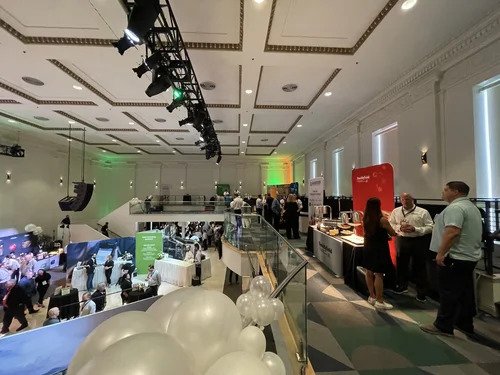
Special event venues in Southern California come in many forms, from historic landmarks and modern creative spaces to outdoor locations with unforgettable views. The right venue does more than hold guests. It influences the overall experience of an event from the moment people arrive.
For planners, choosing a venue is often one of the biggest decisions because every space tells a different story. A restored building can bring character and charm. A modern venue can create a clean, flexible environment. An outdoor setting can completely change the feeling of a celebration.
With so many options available across Southern California, understanding the differences between venue styles helps planners make a more confident choice.
What Makes Different Special Event Venues Stand Out?
Every event has its own personality, and the venue often becomes the foundation for that personality.
A wedding may need a space that feels intimate and memorable. A corporate gathering may require better flow for networking, presentations, and guest movement. A private celebration may focus more on atmosphere and visual impact.
This is why comparing venue types is important before committing to a location.
Some spaces immediately stand out because of their history, while others are attractive because they offer more flexibility. The best choice depends on how the venue supports the experience you want guests to have.
1. Why Are Historic Buildings Popular Choices for Special Events?
Historic buildings continue to attract planners because they already have a story.
Many older properties feature original architecture, detailed interiors, and design elements that create a strong first impression. Instead of starting with an empty room, planners are working with a space that already has personality.
These venues are especially appealing for events where atmosphere matters. A historic setting can make a dinner feel more elevated, create a memorable wedding backdrop, or give a brand event a stronger sense of identity.
However, historic spaces also require thoughtful planning.
Some buildings may have limitations and understanding those details early helps avoid surprises later in the planning process.
2. How Do Modern Spaces Create Flexible Event Experiences?
Modern venues are often chosen because they allow more creative freedom.
Unlike spaces with a very specific design style, contemporary venues usually provide a more adaptable environment. This gives planners the ability to transform the space based on the event concept.
A modern venue can feel completely different depending on the production design.
These spaces are commonly preferred for events that need:
Flexible floor plans that can change throughout the event.
Clean designs that work well with custom branding.
Updated technical capabilities for presentations or entertainment.
Open layouts that support guest interaction.
Adaptable spaces for different event formats.
The advantage of modern spaces is control. They allow the planner’s vision to become the main focus instead of competing with existing design elements.
How Do Indoor and Outdoor Venue Options Compare
The choice between indoor and outdoor venues often comes down to the type of experience an event is trying to create.
Outdoor spaces naturally bring a sense of openness and can create a relaxed environment that feels connected to the surroundings. Southern California is especially appealing for outdoor events because of its weather, but outdoor planning still requires careful consideration.
Indoor venues provide a different advantage.
They offer more control over the environment, which can be helpful for events with detailed schedules or technical production needs.
Indoor venues are often selected when planners need:
Consistent temperature and weather protection.
Controlled lighting and sound conditions.
More predictable guest movement.
Structured layouts for formal programs.
Many of the most successful events combine both options. A venue with indoor and outdoor areas gives guests variety and allows the event to transition naturally from one moment to the next.
What Architectural Features Should You Look For in an Event Venue?
Architecture can completely change how a venue feels.
Before adding decorations or production elements, the structure of the space already influences the atmosphere. Existing design details all affect how guests experience the event.
A venue with strong architectural features often requires less effort to create visual impact.
Important details to consider include:
Ceiling height for lighting, décor, and production elements
Natural light that changes the mood throughout the day
Unique design details that enhance photography
Layouts that allow comfortable guest movement
Existing features that match the event style
A well-designed venue creates balance. The goal is not always to transform a space completely. Sometimes the best events happen when the design works together with what the venue already offers.
Why Does Venue Selection Matter More Than Just Appearance
A venue can look impressive online and still feel different in person.
Photos show the design, but they do not always reveal how guests move through the space, how sound travels, or how smoothly an event can operate.
This is where experienced planners usually look beyond aesthetics.
The strongest special event venues support the practical side of an event while still creating an emotional experience. They make arrivals easier, conversations more natural, and transitions smoother.
A successful venue choice balances beauty with function.
Frequently Asked Questions
Q1. What are the most popular types of special event venues in Southern California?
A. Popular options include historic buildings, modern event spaces, outdoor locations, rooftop venues, private estates, and creative studios. The best choice depends on the guest experience and production needs.
Q2. Are historic venues better than modern venues?
A. Neither option is automatically better. Historic venues offer character and a unique atmosphere, while modern venues provide flexibility and more control over event design.
Q3. What should planners consider when choosing between indoor and outdoor venues?
A. Planners should think about weather, guest comfort, event timing, production needs, and the overall atmosphere they want to create.
Q4. Why does venue architecture matter for events?
A. Architecture affects lighting, photography, guest movement, and overall atmosphere. A space with strong design elements can improve the experience without requiring excessive decoration.
Q5. How early should planners research special event venues?
A. The timeline depends on the event type, but researching venues early provides more options and allows time to compare layouts, availability, and requirements.
Final Thoughts
Choosing between different special event venues in Southern California is about finding a space that matches the purpose of the gathering.
Historic buildings bring personality. Modern spaces offer flexibility. Indoor and outdoor venues create different experiences, while architecture shapes the atmosphere before guests even arrive.
The best venue is not always the biggest or most impressive option. It is the one that supports the event naturally and gives every detail room to come together.
