

What Makes a Venue for Concerts Truly Exceptional in Live Entertainment
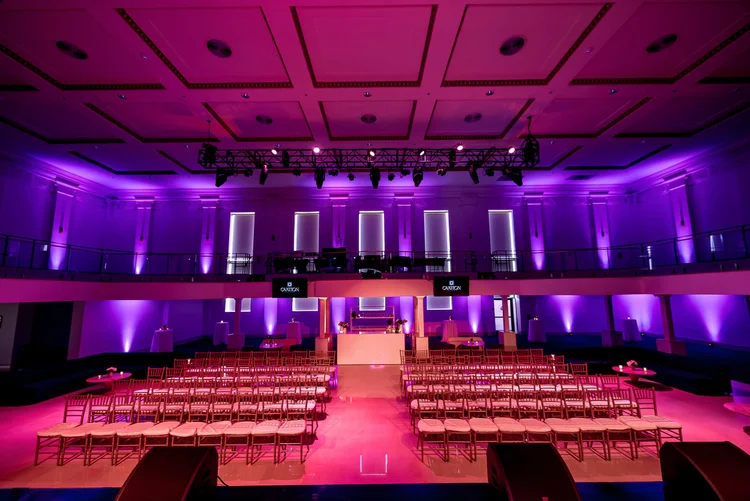
A venue for concerts becomes truly exceptional when it supports audience experience without interruption or friction. The difference is not only in size or appearance. It comes from how well the space behaves once a live performance begins and the crowd, sound, and production all come together at the same time.
In live entertainment, small flaws become very noticeable very quickly. A slight echo, uneven lighting across the room, or delayed sound can shift the entire mood of a performance. That is why concert venues are judged less by design and more by how they perform under pressure.
Los Angeles has no shortage of event spaces, but only a portion of them are truly built for live shows. Some venues look impressive during walkthroughs but struggle once production begins. Others feel simple at first glance but perform exceptionally well when filled with an audience.
Understanding what actually defines a strong venue for concerts helps separate visually appealing spaces from performance-ready environments.
How Do Acoustics and Sound Systems Shape a Venue for Concerts
Sound is usually the first thing audiences react to, even before they fully settle into a show.
In a strong concert venue, sound does not feel like it is coming from one direction. It feels balanced across the room, no matter where someone is standing. That consistency is not accidental. It comes from how the space is built and how sound is managed within it.
Some venues struggle because sound reflects unevenly off surfaces or gets absorbed too quickly. Others feel too echo-heavy, which makes music lose definition. Both situations affect how the audience experiences the performance.
A properly designed venue for concerts focuses on clarity first. Vocals stay sharp, instruments remain separated enough to be heard distinctly, and the overall mix feels controlled even at higher volumes.
Modern venues also need flexibility. especially when an event space Long Beach hosts multiple types of productions throughout the year. A DJ set, live band, and acoustic performance all require different sound setups. Spaces that can adjust quickly without compromising quality tend to support a wider range of productions.
In practice, this flexibility often matters more than raw technical power.
What Role Does Stage and Lighting Design Play in Live Concert Experience?
Stage design influences how the audience connects visually with the performance, even before the first note is played.
A well-positioned stage does more than create elevation. It defines focus. It determines how closely the audience feels connected to the performers and how movement on stage translates across the room.
Lighting builds on that foundation.
During a live show, lighting is rarely static. It shifts with rhythm and transitions in the performance. When done well, it adds depth without distracting from the music. When done poorly, it competes with the performance instead of supporting it.
A strong venue for concerts usually integrates lighting and staging infrastructure into the space itself rather than treating it as an add-on.
That often includes:
Flexible stage configurations depending on performance type.
Lighting systems designed for dynamic transitions during shows.
Clear sightlines that avoid visual obstruction from any audience angle.
Backstage access that allows smooth performer movement.
Structural support for advanced production setups.
When these elements are already built into the venue, production teams spend less time solving logistical problems and more time focusing on the creative side of the show.
That difference becomes visible during the event itself. Everything feels more synchronized, even if the audience never consciously notices why.
Why Does Audience Capacity and Flow Matter So Much in Concert Venues
Capacity alone does not define how a concert feels.
Two venues can hold the same number of people and still create completely different audience experiences. The difference usually comes down to movement and flow.
When guests enter a venue smoothly and can move without confusion, the energy stays focused on the performance. When movement feels restricted or unclear, attention shifts away from the stage.
A well-designed concert venue considers how people behave. Entry and exit points and circulation paths all play a role in how the crowd experiences the space.
When audience flow is handled properly, it rarely becomes noticeable. People simply feel comfortable staying in the space.
Key elements that affect audience experience include:
Entry and exit routes that prevent congestion during peak moments
Layouts that allow movement without interrupting viewing zones
Placement of amenities so crowds do not cluster in one area
Clear separation between performance zones and circulation paths
Safe and efficient exit flow after the event ends
These details often decide whether a concert feels immersive or chaotic.
Why Do Some Venues Work Better for Concerts Even When They Look Similar?
At first glance, many venues appear interchangeable. Similar capacity, similar layout, similar aesthetics.
But once a live performance begins, the differences become clear.
Some spaces feel natural and responsive to the show. Others feel slightly disconnected, even if nothing is visibly wrong.
The reason is usually design intention.
Venues built specifically for concerts anticipate how sound behaves, how crowds move, and how production equipment interacts with the space. General-purpose venues may not fully account for these factors, which can affect the overall experience. unlike a typical social event venue Long Beach guests may use for a broader range of gatherings.
A strong venue for concerts does not compete with the performance. It supports it quietly in the background, allowing everything else to feel more cohesive.
Frequently Asked Questions
Q1. What makes a venue for concerts suitable for live performances?
A. A suitable concert venue is designed with controlled acoustics, flexible staging, integrated lighting systems, and smooth audience flow that supports both performers and guests.
Q2. Why is sound quality so important in concert venues?
A. Sound quality directly affects how audiences experience music. Poor acoustics can distort performances, while balanced sound creates clarity and emotional impact.
Q3. What should venues offer for stage setup flexibility?
A. Venues should support adjustable stage configurations, lighting integration, backstage access, and technical infrastructure that adapts to different performance styles.
Q4. How does audience flow impact concerts?
A. Good audience flow reduces congestion, improves comfort, and keeps attention focused on the performance instead of logistical movement inside the venue.
Q5. Are smaller concert venues better than large ones?
A. Not necessarily. Smaller venues offer intimacy, while larger venues provide scale. The quality depends more on design and execution than size.
Final Thoughts
A truly effective venue for concerts is not defined by how it looks in photos or how large it is on paper. It is defined by how well it performs once the show begins.
When acoustics, staging, lighting, and audience movement work together, the venue becomes invisible in the best way. The focus stays on the performance, not the space itself.
In the end, the strongest venues are the ones that quietly make everything feel effortless once the lights go down and the music starts.
