

How to Plan a Private Event Space Rental in Los Angeles
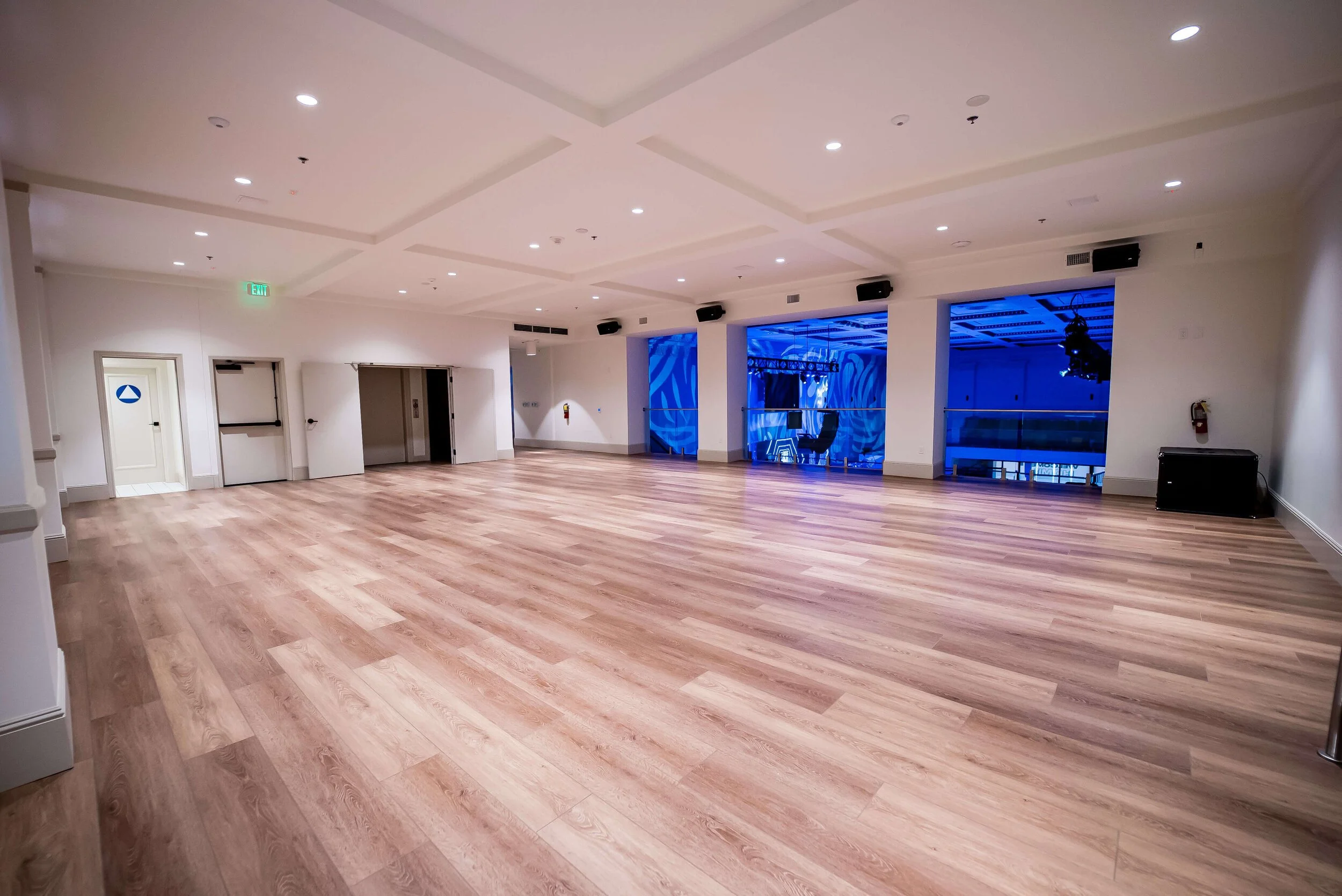
Planning a private event in Los Angeles starts with finding a space that works for the event you actually have in mind. The right venue needs to accommodate your guests comfortably while also making room for catering, entertainment, setup, and the vendors working behind the scenes.
Before booking a private event space in Los Angeles, there are a few details worth sorting out early. Understanding the rental agreement, checking the space against your guest list, and discussing vendor access can save you from unexpected costs and last-minute problems.
Understanding Rental Agreements and Deposits
Once you find a venue you like, it can be tempting to focus on securing the date and deal with the paperwork afterward. However, the rental agreement can contain important details that affect your event and your final cost.
Take the time to read through the contract before making a payment. If something is unclear, ask the venue to explain it and make sure any important agreement is included in writing.
What Should You Look for in a Rental Agreement?
Start by checking exactly what the rental fee covers. Some venues include tables, chairs, basic staffing, or equipment, while others charge separately for these services.The agreement should also explain how long you have access to the venue. Remember that your event time is not necessarily the same as your total access time. Your vendors may need several hours to load in and prepare before guests arrive.
Also look for information about overtime, cleaning, security, insurance, cancellation, and rescheduling. These policies can vary considerably between venues. If you are working with a planner or event coordinator, it can also be helpful to have them review the agreement with you before signing.
How Do Deposits and Payment Terms Work?
Ask what amount is required to reserve the date and whether the deposit is applied to your final balance. Some venues may also require a separate security deposit.You should know when future payments are due and what happens if the event is canceled or moved to another date. If the deposit is nonrefundable, that should be clear before you commit.
It is also worth asking about charges that could appear after the initial booking, such as overtime or additional cleaning. Knowing the full payment schedule early makes it easier to plan your event budget.
Evaluating Venue Capacity for Your Guest List
A venue's listed capacity is an important starting point, but it should not be the only factor you use when deciding whether a space is right for your event.
The way you plan to use the room matters just as much. A venue that can hold 200 people for a standing reception may feel very different when you add dining tables, a dance floor, a DJ setup, or other event elements.
Match the Space to Your Event Layout
Think about what needs to fit inside the room before deciding whether the capacity works.For a seated dinner, you will need space for tables and chairs along with areas for food service. A celebration with dancing may need room for a dance floor and entertainment. Corporate events may require seating for presentations or a stage.
Ask the venue whether they have floor plans from previous events. Seeing how a similar guest count was arranged can give you a much more realistic idea of how your own event might work.
Think About Guest Flow
Capacity is also about how comfortably people can move through the venue.Consider the path guests will take from the entrance to the main event area. Think about where the bar or food stations will be placed and whether those areas could become crowded during peak times.
Restrooms, exits, and other important areas should also be easy to access. A well-planned layout helps the event feel comfortable rather than cramped, even when the room is busy. During your site visit, try to picture the venue with your actual guest count and event setup. An empty room can be deceiving.
Coordinating Catering and Vendor Access
Catering and vendor logistics should be discussed before you book the venue, particularly if you already have specific vendors you want to work with.
A venue may have rules about outside caterers, delivery times, kitchen use, or equipment. Finding out about those restrictions after signing the contract can make planning more difficult.
Review the Venue's Catering Requirements
Start by asking whether the venue has an exclusive caterer or a preferred vendor list.If outside catering is allowed, ask what the caterer can use on-site. Does the venue have a kitchen or prep area? Is refrigeration available? Who handles cleanup and trash after the event?
Some venues may also require outside caterers to provide insurance or additional documentation. Your caterer should know these requirements well before event day.
If you are still looking for a caterer, the venue may be able to recommend companies that are already familiar with the space. This can make coordination easier, especially for larger events.Plan Vendor Load-In and Setup
Vendor access can affect your entire event timeline.A DJ, rental company, florist, production team, or other vendor may need considerable time to bring equipment into the venue and get everything ready. Ask when vendors can arrive and whether there is a designated loading area.
Parking and building access are also worth discussing. If equipment needs to travel through a particular entrance or elevator, your vendors should know about it in advance. Do not forget about breakdowns. Ask how much time vendors have after the event and whether the venue charges overtime if the space is not cleared on schedule.
Confirm Outside Vendor Policies
Not every private event space in Los Angeles gives clients complete freedom to choose vendors.Some venues require approval for outside vendors, while others may charge an outside-vendor fee. Certain venues may also have specific requirements for insurance, staffing, or production equipment.
If you already have a planner, caterer, DJ, photographer, or rental company you want to use, mention them during the venue selection process. This is one of those details that is much easier to solve before the contract is signed.
What Else Should You Consider Before Booking?
The three areas above should be central to your venue research, but there are several practical details that can affect the experience for both you and your guests.
Look Beyond the Rental Price
When comparing venues, look at the overall cost rather than the advertised rental rate alone.
Ask about required staffing, cleaning, security, equipment, insurance, and overtime. A venue that initially appears less expensive may have additional charges that change the final number. Request a detailed proposal so you can compare venues fairly.
Location and Parking
Los Angeles events can involve guests traveling from different parts of the city and surrounding areas. Parking, rideshare access, and nearby transportation can all affect how easily guests reach the venue.If you are expecting a large number of guests, ask about available parking and whether there are restrictions during your event hours.
Visit Before You Book
Photos and videos can help narrow down your options, but an in-person site visit can reveal things you may not notice online.Pay attention to entrances, restrooms, loading areas, parking, and the overall flow of the space. If possible, visit with your planner or another person involved in the event so you can discuss practical concerns together.
Final Takeaway
Choosing a event space in Los Angeles is about more than finding a venue that looks good. The agreement needs to make sense for your budget, the space needs to work for your guests, and the venue needs to accommodate the vendors responsible for bringing the event together.
Ask questions before signing, review the details carefully, and visit the space with your actual event plans in mind. When those practical pieces are handled early, you can spend more time focusing on the experience you want your guests to have.
Frequently Asked Questions
Q1. How much does a private event space cost in Los Angeles?
A. The cost varies depending on the venue, date, event length, location, and services included. Some venues charge primarily for the space, while others include furniture or staffing. Additional fees may apply, so requesting a complete proposal is the best way to understand the actual cost.
Q2. How far in advance should I book a private event space in Los Angeles?
A. Popular dates can book well in advance, particularly during busy event seasons. For larger celebrations, starting your search several months before the event gives you more time to compare venues and coordinate vendors.
Q3. Can I bring my own caterer to a private event space?
A. It depends on the venue. Some require an exclusive caterer, while others allow outside catering. Always confirm the policy before signing your agreement and ask about kitchen access, insurance requirements, cleanup, and any additional fees.
Q4. What should I ask about vendor access?
A. Ask when vendors can arrive, where they can unload equipment, and how much setup time they have. It is also useful to ask about parking, elevators, storage, and the time allowed for breakdown after the event.
Q5. How do I know if a venue is large enough for my guest list?
A. Start with the venue's stated capacity, then consider your event layout. Tables, food stations, entertainment, and production equipment all require additional room. Ask for a sample floor plan based on a similar guest count to see how the space will actually work.
