

Best Los Angeles Venues for Large Corporate Events and Product Launches
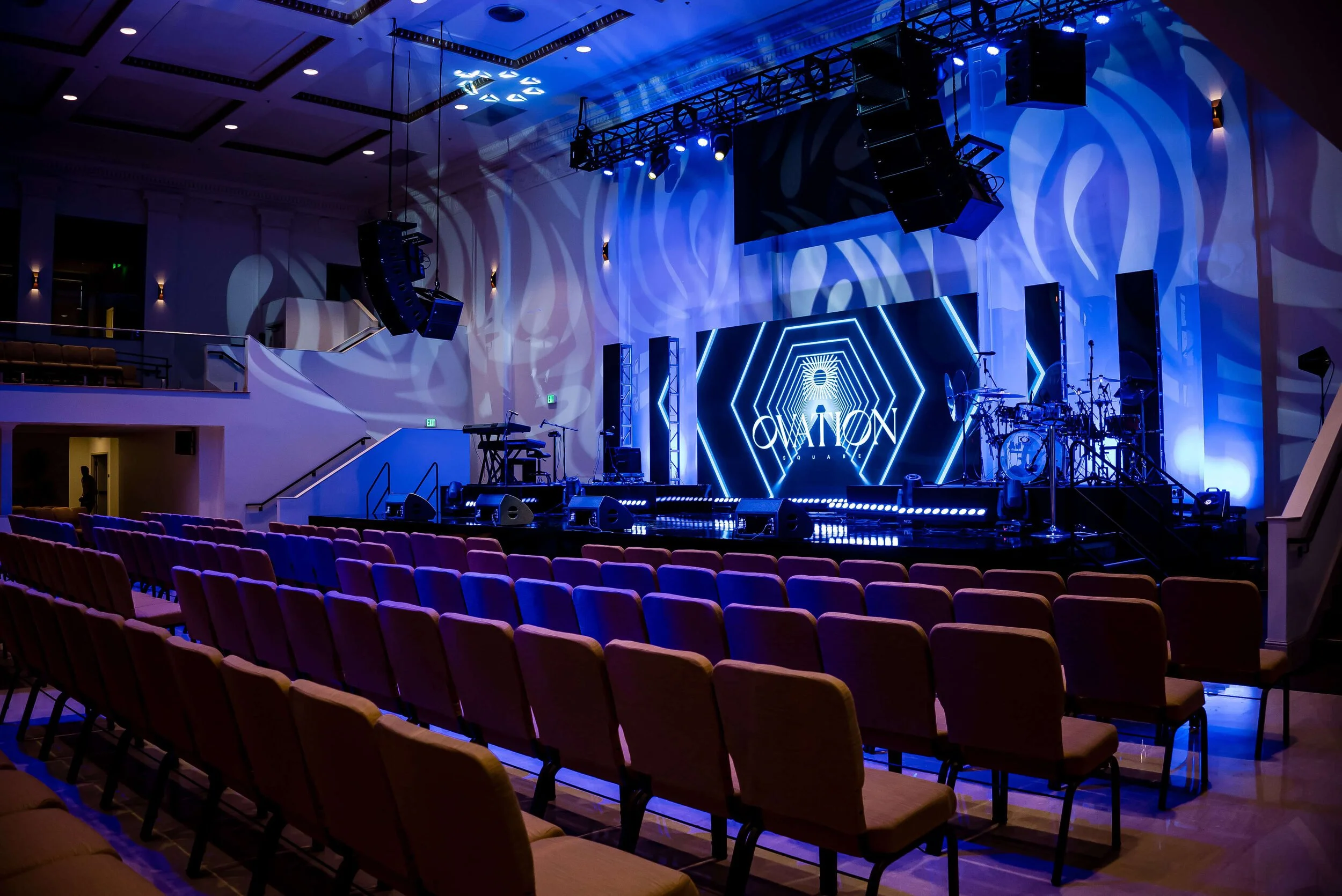
Finding the right venue for a large corporate event in Los Angeles starts with more than checking the maximum guest capacity. Corporate planners need a space that can handle the event program, support professional production, and make it easy for attendees and vendors to get where they need to be.
This becomes even more important when searching for a product launch venue. A launch often needs space for a presentation, product display, branding, networking, and guest interaction. The venue should give the event room to develop without creating unnecessary challenges for the planning and production teams.
What Should You Compare When Choosing a Corporate Venue?
The best corporate venue depends on what your event needs to accomplish. A company conference may need a strong presentation setup, while a product launch may require more open space for displays and demonstrations.
Before comparing venues, think about how attendees will use the space throughout the event. Registration may happen in one area, followed by networking, a main presentation, and a reception. The venue should be able to support these transitions without making the room feel crowded.
It is also worth considering the experience outside the main event room. Speakers may need a private area before going on stage. Production teams may need storage for equipment. Guests may need a comfortable place to gather before the program begins.
A venue that works well behind the scenes can make the entire event easier to manage.
Compare Capacity With the Actual Event Layout
Capacity is one of the first things planners look at, but the number listed by the venue does not tell you everything.
A space that can accommodate 500 guests for a cocktail reception may not be the right size for 500 people seated at tables with a stage, screens, and production equipment. Your planned layout can change how much usable space is available.
Look Beyond the Maximum Guest Count
Ask the venue for capacity information based on the setup you are planning.
For a seated corporate presentation, you may need rows of chairs facing a stage. A networking event may need more open floor space. A product launch could require an area for the product itself, along with displays, branded installations, or a demonstration area.
Ask whether the venue can provide floor plans from previous corporate events. Seeing how another large event was arranged can give you a more realistic idea of how your own program could fit.
Choose a Space That Can Change With the Event
Flexible layouts are especially useful for corporate programs that have several parts.
The room might begin with registration and networking before transitioning into a presentation. After the main program, the same space could become a reception or dinner setting.
A venue with movable furniture and adaptable areas gives planners more options. Fixed seating, columns, narrow entrances, or other permanent features can limit what is possible even when the overall room appears large.
During a site visit, walk through the venue as though your event were already happening. Picture where guests will enter, where they will sit, and how they will move when the room is full.
Evaluate the Venue's AV and Production Capabilities
For a large corporate event, AV should be part of the venue evaluation from the beginning. Presentations, videos, microphones, lighting, and sound all need to work together for the program to feel professional.
For a product launch, production can become even more central because the presentation may include a reveal, demonstration, branded visuals, or other moments that depend on precise technical execution.
Ask What the Venue Already Provides
Find out whether the venue has an in-house AV team or works with preferred production companies. Ask what equipment is available and whether you are required to use specific vendors.
It is also important to discuss internet connectivity, power, microphones, speakers, screens, lighting, and any rigging requirements. The right questions will depend on the complexity of your program. Do not stop at asking whether a venue "has AV." Ask how its AV setup would work for your specific event.
Give Your Production Team Time to Test Everything
A corporate presentation may appear simple to attendees, but the technical setup behind it can take hours.
Ask how much time your production team will have for load-in, installation, sound checks, lighting adjustments, and rehearsals. If the venue has strict access windows, those limitations need to be considered when building the event schedule. If you already have an AV or production company, consider bringing them to the site visit. They may notice technical issues that are not obvious to someone focused primarily on the guest experience.
Consider Downtown Accessibility and Parking
Location can have a significant effect on attendance and the overall experience at a large corporate event.
Downtown Los Angeles can be a practical choice for events because it connects to major business districts and offers access to hotels, restaurants, and public transportation. Still, planners should look at the specific venue rather than assuming every Downtown location will be equally convenient.
Make Arrival Easy for Your Guests
Think about how your attendees are likely to travel.
Some may drive, while others may use rideshare services or public transportation. If you are bringing in clients or employees from outside Los Angeles, nearby hotels can also be an important consideration.
Parking should be discussed before booking. Ask where guests can park, how much parking is available, and whether there are nearby facilities if the venue does not have its own parking. For a large event, even small arrival issues can create frustration before the program has started.
Plan for Vendor and Production Access
Your vendors have different transportation needs from your guests.
A production company may arrive with staging equipment, lighting, speakers, screens, or other large items. Rental companies may have tables, chairs, and additional event equipment. Ask about loading zones, delivery windows, freight elevators, and access for production vehicles. Find out how far equipment needs to travel from the loading area to the event space.
A venue that is easy for guests to reach can still present challenges for vendors. Understanding the load-in process during the venue search gives your team time to plan around those limitations.
What Makes a Strong Product Launch Venue?
When the event is centered around a product launch, the venue becomes part of the presentation.
The space should give your brand enough room to create an experience around the product rather than treating the launch like a standard corporate gathering. Depending on the event, you may need space for a product reveal, demonstrations, displays, photography, or guest interaction.
Think about the guest journey from the moment they arrive. What will they see at registration? Where will they network? When will they first encounter the product? How will they move toward the main presentation?
The venue's existing design can also influence the event. A polished space may require less décor and transformation, while a more open setting can give your production team greater creative freedom. The best choice depends on how closely the venue's character and layout match the experience your brand wants to create.
How Should You Compare Your Final Venue Options?
Once you have narrowed down your choices, compare each venue based on how well it supports your actual event rather than choosing based solely on appearance or rental price.
Review the capacity for your planned layout and confirm what the venue can support from a production standpoint. Look at parking and transportation for attendees, then evaluate how vendors will load in and break down.
Also review what is included in the rental and what could create additional costs. Ask about staffing, overtime, required vendors, insurance, and production fees before making your final decision.
If two venues seem similar, consider which one will make the event easier to execute. A slightly different space may ultimately be the better choice if it gives your team more flexibility.
Final Thoughts
The best venue for a large corporate event in Los Angeles is one that works for the entire event, not just the guest count. Capacity and layout determine how comfortably the program can operate, while AV capabilities can affect the quality of presentations and production.
Location matters just as much when attendees and vendors need to reach the venue easily. For planners looking for a product launch venue, the decision should also consider how the space can present the brand and create a memorable experience around the product.
Take time to tour your final options, ask practical questions, and involve your production team before signing. The right venue should give your event room to succeed both in front of the audience and behind the scenes.
Frequently Asked Questions
Q1. What makes a good product launch venue in Los Angeles?
A. A strong product launch venue should have enough room for the audience while allowing space for staging, product displays, branding, and guest interaction. Flexible layouts and reliable AV capabilities are also important when the event includes presentations or demonstrations.
Q2. What AV questions should I ask a corporate event venue?
A. Ask about available sound, screens, lighting, microphones, internet, power, and technical support. Confirm whether outside production companies are permitted and how much time your team will have for load-in, setup, testing, and rehearsal.
Q3. Is Downtown Los Angeles a good location for a corporate event?
A. Downtown Los Angeles can be convenient for corporate events because of its central location, hotels, public transportation, and surrounding business areas. Parking and rideshare access should still be evaluated based on the specific venue.
Q4. How important is parking for a large corporate event?
A. Parking can have a noticeable effect on the attendee experience, particularly when many guests are driving. Ask about the venue's parking arrangements and nearby options before booking. Clear arrival information can also help guests avoid confusion on event day.
Q5. How early should I book a venue for a large corporate event?
A. Starting the venue search several months ahead gives planners more flexibility with dates and allows time for production, catering, and other vendors to coordinate around the selected space. Larger programs may benefit from an even earlier start.
