

The Local’s Guide to 7 Unique Concert Venues in Long Beach
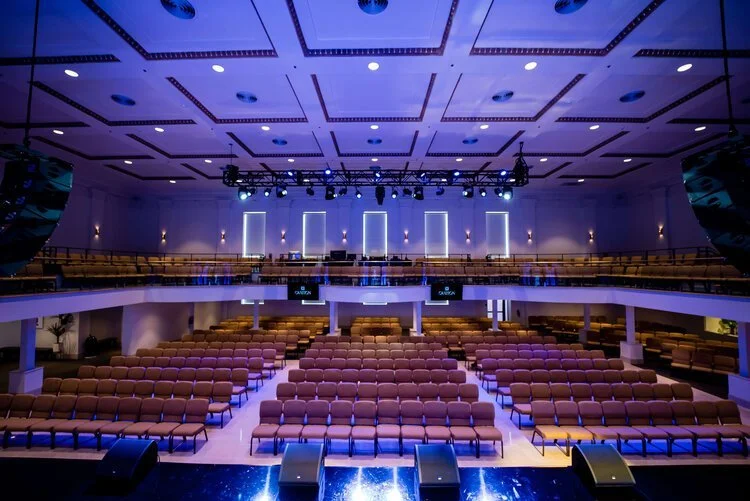
Concert venues in Long Beach come in many forms, and choosing the right one depends on more than capacity alone. The venue influences sound quality, audience experience, production possibilities, and the overall atmosphere of the performance. Understanding the different types of spaces can help musicians, promoters, production companies, and event organizers make better booking decisions.
Whether you're planning an intimate acoustic performance or a large-scale live show, Long Beach offers venues that suit a wide range of productions. Knowing what each type of venue does best makes it easier to narrow your options before scheduling tours.
1. Historic Theaters
Historic theaters remain one of the most recognizable concert venues in Long Beach because they combine architectural character with an experience audiences remember.
Many feature elevated stages, balcony seating, decorative interiors, and acoustics originally designed for live performances. These details often reduce the amount of temporary production work needed while creating a more immersive atmosphere.
They're particularly well suited for:
Classical performances
Jazz concerts
Singer-songwriter showcases
Comedy events
Film screenings with live music
While these venues offer plenty of visual appeal, production teams should also review backstage access, loading areas, and available rigging before booking.
2. Warehouse and Industrial Event Spaces
Converted warehouses have become increasingly popular for modern concerts because they offer flexibility that traditional performance venues sometimes lack.
High ceilings make it easier to install lighting trusses, LED walls, and suspended production equipment. Open floor plans also allow organizers to customize seating arrangements or create standing-room concerts.
These spaces work especially well for electronic music events, album release parties, independent artist showcases, and private ticketed performances.
Unlike permanent theaters, warehouse venues often require additional production planning. Temporary staging, sound systems, and lighting packages may all need to be brought in depending on the venue's existing infrastructure.
3. Outdoor Waterfront Venues
Long Beach's coastal setting gives event organizers access to outdoor performance spaces that offer a completely different audience experience.
Instead of focusing solely on stage design, these venues use the surrounding environment as part of the event itself. Sunset performances, waterfront views, and open-air seating can become part of the attraction.
Outdoor venues are often selected for:
Summer concert series
Community festivals
Charity events
Food and music festivals
Cultural celebrations
Weather, permitting, and neighborhood noise regulations become much more important when planning outdoor productions, so early coordination is essential.
4. Multi-Purpose Performance Halls
Some concert venues in Long Beach are designed to accommodate far more than concerts alone.
These flexible venues regularly host conferences, corporate events, galas, community programs, and live entertainment throughout the year. Because of that versatility, they often include built-in audiovisual equipment, adjustable seating, and adaptable floor plans.
For organizers who need a venue capable of supporting both presentations and live music, these spaces provide practical flexibility without sacrificing production quality.
One advantage is that many already employ experienced technical teams familiar with operating lighting, projection, and professional sound systems.
5. Clubs and Live Music Venues
Not every concert is designed for hundreds of attendees.
Smaller live music venues create an atmosphere that's difficult to replicate in larger event spaces. Audiences are closer to performers, interaction feels more natural, and emerging artists often benefit from the intimate setting.
These venues commonly host local bands, touring independent musicians, open mic nights, tribute acts, and album release performances.
Capacity may be smaller, but audience energy often becomes one of the biggest strengths of this venue category.
Why Sound and Production Capabilities Matter
A beautiful venue can still produce a disappointing concert if the technical infrastructure isn't strong enough.
Before signing a contract, it's worth evaluating how well the venue supports live performance rather than assuming every space offers the same production capabilities.
Important production features include:
Professional sound reinforcement systems
Acoustic treatment that minimizes echo
Flexible stage dimensions for different performers
Lighting systems that support concerts and live productions
Adequate electrical power for touring equipment
Convenient loading access for production crews
Reviewing these details early helps avoid unexpected rental costs and technical limitations later in the planning process.
6. Rooftop Performance Spaces
Rooftop venues have become increasingly popular for smaller concerts that prioritize atmosphere as much as entertainment.
City views create a memorable backdrop, particularly for acoustic sets, private performances, networking events with live music, and seasonal celebrations.
Because rooftop venues typically have lower guest capacities than traditional theaters, they're often chosen for invitation-only events or premium ticket experiences rather than large public concerts.
Production planning should account for weather conditions, equipment transportation, and neighborhood sound restrictions.
7. Private Event Venues Adapted for Concerts
Some private event venues can successfully accommodate live performances even though concerts aren't their primary function.
These spaces are often selected for fundraising galas, corporate celebrations, nonprofit events, or brand activations that include live entertainment as one part of a larger program.
Their greatest advantage is flexibility.
With experienced production teams, a ballroom, historic venue, or industrial event space can be transformed into a fully functioning concert environment complete with staging, lighting, professional audio, and audience seating.
The venue may not advertise itself primarily as a concert hall, but thoughtful planning can produce outstanding results.
Final Thoughts
The best concert venues in Long Beach aren't defined by size alone. The right space supports the performance, fits the audience, and provides the technical infrastructure needed for a successful event. Historic theaters, waterfront venues, industrial spaces, and flexible event halls all offer different advantages depending on the goals of the production.
If you're planning a live performance and want help comparing venue options, Piovra can simplify the search by matching your production needs with carefully selected venues that fit your audience, budget, and event vision.
Frequently Asked Questions
Q. What type of concert venue is best for independent musicians?
A. Smaller clubs, warehouse venues, and flexible performance spaces often provide the right balance of affordability and audience engagement. The ideal venue depends on expected attendance, production requirements, and the style of performance.
Q. How far in advance should concert venues be booked?
A. Popular venues often reserve dates six to twelve months ahead, particularly during spring, summer, and holiday seasons. Early booking provides more scheduling flexibility and better vendor availability.
Q. Can private event spaces host concerts?
A. Yes. Many private event venues can be transformed into concert spaces with temporary staging, professional lighting, and sound equipment. Working with an experienced production team helps ensure the venue supports both performers and guests comfortably.
