Why Multi-Level Venues Work for Indian Wedding Multi-level venues Celebrations
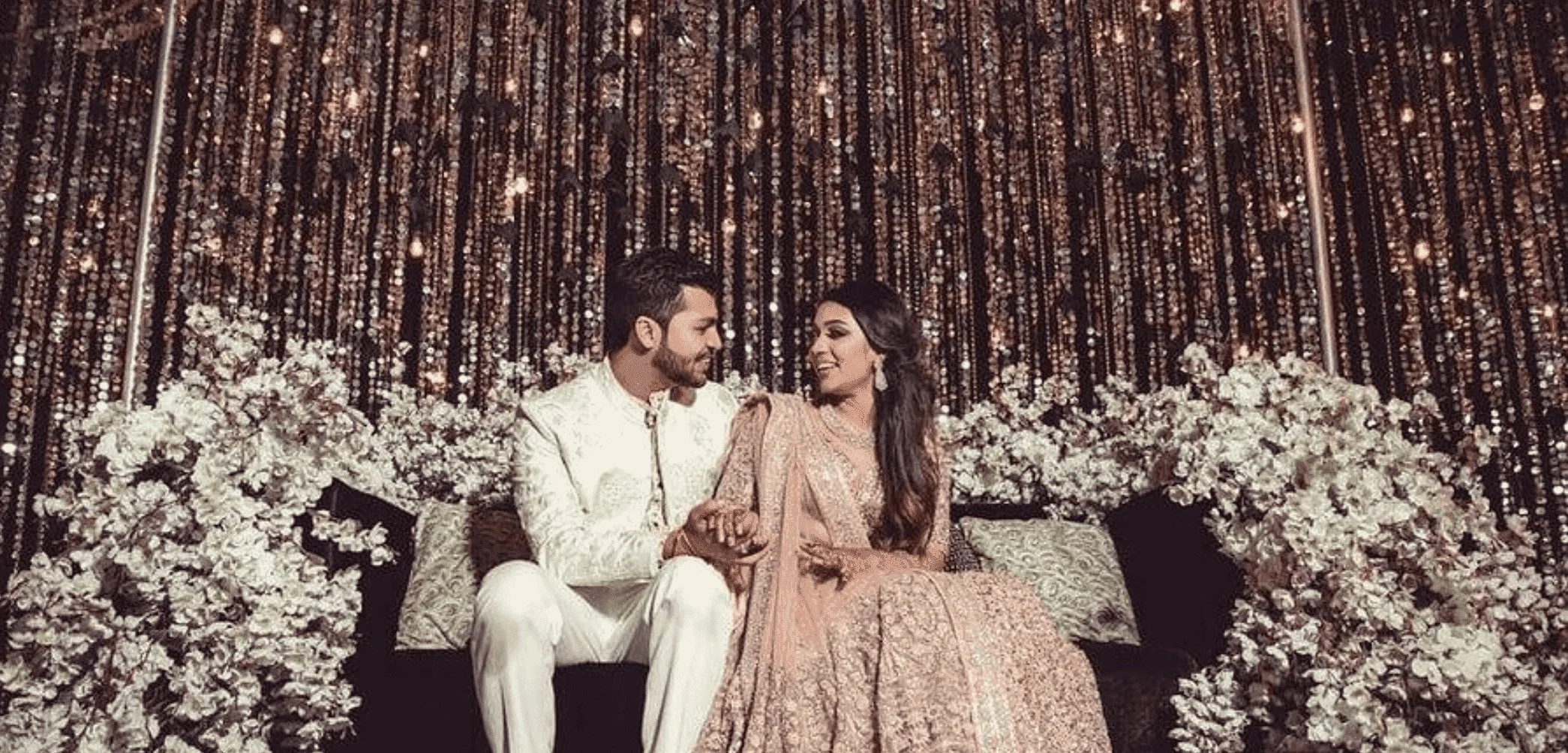
Multi-level venues work for Indian wedding celebrations because they allow different parts of the wedding. Ceremony, reception, dining, and entertainment happen smoothly within one connected space. These venues are especially useful for large, culturally rich weddings where timing, guest flow, and multiple traditions need to be managed without crowding or confusion.
Instead of one flat layout, multi-level venues create separation and structure, which is essential for weddings with multiple rituals and large guest lists.
Why Do Indian Weddings Need Separate Spaces for Ceremony and Reception?
Indian weddings often include several distinct events, from traditional ceremonies to modern receptions, sometimes even happening on the same day. Multi-level venues make this possible by offering naturally separated areas that support smooth transitions between each moment.
This separation helps maintain the emotional importance of each ritual while keeping the overall event organized. Guests can move from a formal ceremony space to a reception area without delays, setup disruptions, or overcrowding.
How Do Multi-Level Venues Comfortably Handle 500+ Guests?
Indian weddings frequently exceed 500 guests, making space planning one of the most important parts of the event. Multi-level venues help distribute guests across different floors or zones, reducing congestion and improving comfort.
This structure allows for better crowd flow, especially during high-traffic moments like entrances, dining, and performances. Instead of one crowded hall, guests experience a more balanced environment where movement feels natural and seating remains accessible.
It also helps planners design dedicated areas for elders, family groups, and VIP guests without isolating them from the celebration at Best Indian Wedding Venues.
How Do Flexible Layouts Support Cultural Traditions?
Flexibility is one of the most important advantages of multi-level venues for Indian weddings. Different cultural and religious traditions require unique setups, and multi-level spaces allow planners to design each floor or section based on specific needs.
For example, one area can be used for a mandap ceremony, while another is set up for dining, and another for music and dancing. This separation ensures that each tradition is respected and executed properly without interfering with other parts of the celebration.
It also allows decorators and planners to create distinct themes within the same venue, enhancing the overall guest experience.
Why Multi-Level Venues Enhance Large-Scale Wedding Flow
Beyond space and design, multi-level venues improve the overall flow of large weddings. They reduce bottlenecks, improve timing between events, and create a more organized guest experience from start to finish.
This structure is especially helpful when managing multiple vendors, live entertainment, and synchronized cultural moments. Everything operates more smoothly because each activity has a defined space and purpose within the venue.
In summary, multi-level venues work exceptionally well for Indian wedding celebrations because they combine space, structure, and flexibility in one environment. They allow separate ceremonies, smooth guest flow for large gatherings, and adaptable layouts that respect cultural traditions.
For weddings with 500+ guests and multiple events, these venues create a more organized, comfortable, and visually cohesive experience, ensuring every moment feels intentional and well-executed from start to finish.
Frequently Asked Questions
Q1: Why are multi-level venues ideal for Indian weddings?
A. Multi-level venues are ideal because they provide separate spaces for ceremonies, receptions, and cultural rituals while accommodating large guest counts in an organized way.
Q2: Can multi-level venues handle large Indian wedding guest lists?
A. Yes, they are designed to comfortably manage 500+ guests by distributing people across different floors or sections to avoid overcrowding.
Q3: How do multi-level venues improve wedding planning?
A. They allow planners to assign different levels for specific functions, making scheduling, décor setup, and guest movement more efficient.
Q4: Are multi-level venues good for cultural wedding traditions?
A. Yes, they offer flexible layouts that support multiple ceremonies, rituals, and themed spaces within one venue.
Q5: Do multi-level venues help with guest experience?
A. Yes, they improve comfort and flow by reducing congestion and creating clearly defined spaces for each part of the celebration.
