

What Makes Concert Venues in Long Beach Stand Out?
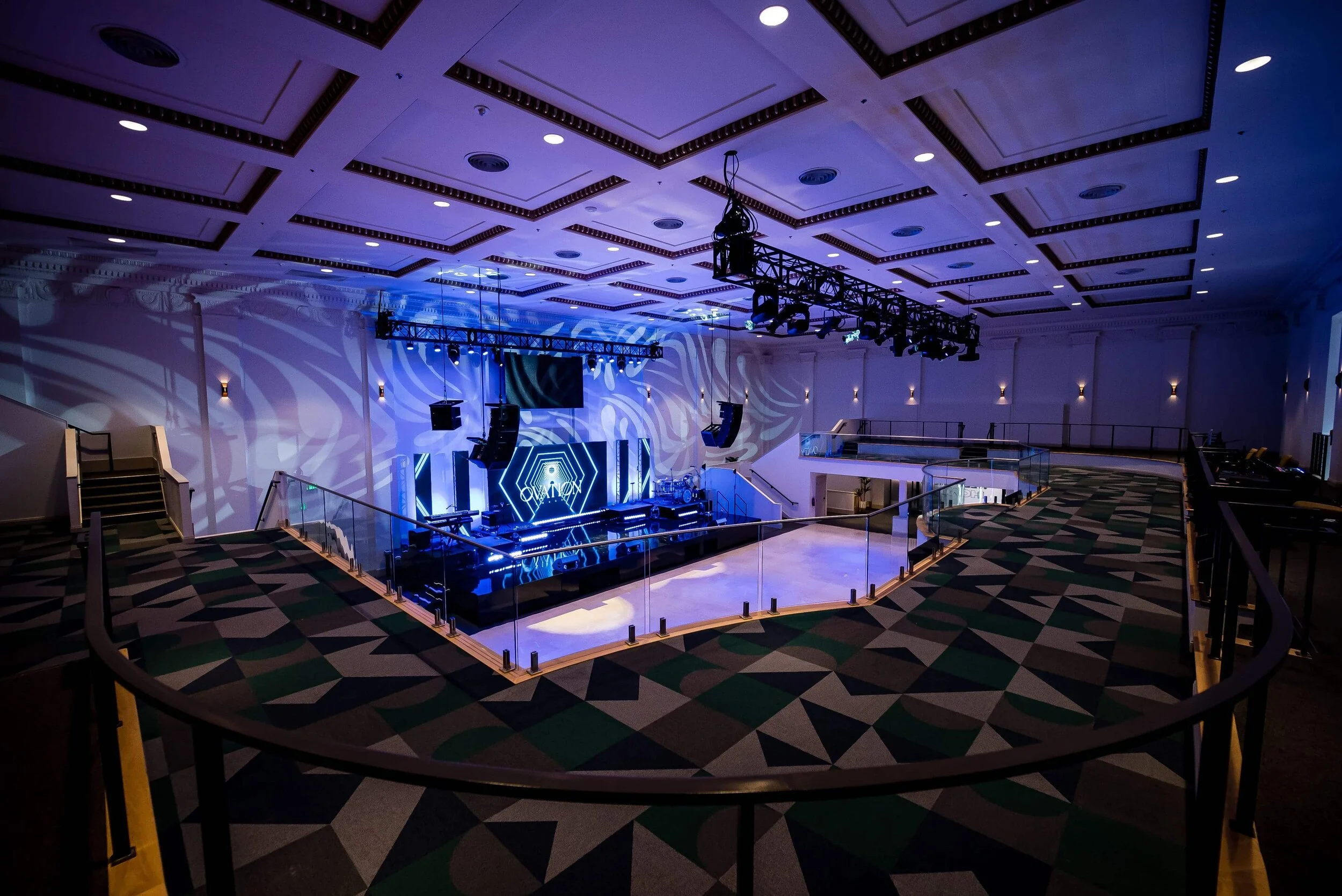
Concert venues in Long Beach tend to stand out because so many of them sit inside buildings with real history behind them, not purpose-built arenas. That history shapes everything from the acoustics to the stage layout in ways a modern box venue simply can't replicate. This guide covers what makes these spaces different and what performers should expect from the stage and sound setup. It also gets into how capacity affects the overall experience.
What Makes the Architecture and Acoustics of Long Beach Venues Different?
A lot of Long Beach's concert spaces started out as something else entirely, and that past life still shapes the room today.
Historic Buildings Turned Into Concert Spaces
Downtown Long Beach has a stretch of buildings dating back nearly a century, and several have been converted into event and concert venues over the years. Ovation Square is one example, built inside a space that once housed the 1920s Bank of Italy. The original steel vault door is still intact underground in what's now called The Vault, giving the space a character no newly built venue could fake.
How Architecture Affects Sound
High ceilings and thick original walls change how sound moves through a room compared to a modern club built with acoustic paneling from day one, and an open floor plan adds another layer to that. That's not automatically a bad thing. Older buildings often have a natural warmth to their acoustics, though it does mean sound engineers have to adjust their approach room by room instead of relying on a standard setup.
What Stage and Sound Requirements Should Performers Expect?
Once you get past the architecture, the technical side of a venue is what actually determines whether a show runs smoothly.
Stage Size and Load-In
Stage dimensions vary a lot between venues, so touring acts and local bands both need to confirm specs before booking. Ovation's main stage runs 46 feet by 20 feet, which comfortably fits a full band setup along with backline gear. Load-in access matters just as much as stage size, especially for venues in older buildings where doorways and elevators weren't designed with modern equipment in mind.
Sound Systems and Lighting
A DJ-ready sound system paired with ceiling-mounted concert lighting is close to the baseline expectation for serious venues in Long Beach at this point. LED screens have also become standard for acts that want visuals synced to their set. Ask about the house system before assuming you'll need to bring your own, since a lot of venues can handle most requests without an outside rental.
How Do Capacity Considerations Affect Live Performances?
Capacity isn't just a fire code number. It shapes how a show actually feels once people are in the room.
Standing Versus Seated Capacity
A room built for two hundred standing guests might only hold half that number seated, so the format of your show changes the math significantly. Concerts with a general admission floor typically pack in more people than a seated showcase or listening room. Confirm both numbers with the venue rather than assuming one applies to your event.
Choosing the Right Room for Your Crowd
An undersold show in a room that's too large tends to kill the energy, while an oversold show in a room that's too small creates safety issues fast. Ovation's layout, including the Main Floor, Mezzanine, and add-on Vault space, gives some flexibility to scale capacity up or down depending on ticket sales. That kind of flexibility is worth asking about at any venue you're considering.
What to Look for When Booking a Concert Venue in Long Beach
A short list of questions can save a lot of headaches once show day arrives.
Confirm exact stage dimensions and load-in access before finalizing gear needs.
Ask whether the house sound system covers your requirements or if outside rental is needed.
Get standing and seated capacity numbers in writing, not just a rough estimate.
Check noise ordinances and curfew times for the neighborhood.
Ask about parking and public transit access for ticket holders.
Confirm whether the venue offers a separate green room or artist lounge space.
Final Thoughts
Concert venues in Long Beach offer something a standard club circuit often can't, a mix of real architectural history and solid technical infrastructure, plus enough flexibility to scale a show up or down. Getting clear answers on stage specs and sound systems early makes the difference between a smooth show and a stressful one, and capacity is worth locking down before that too.
If you're booking a concert or live performance and want to see what Ovation Square can offer, our team can walk you through stage specs and capacity options for your date. Contact us to start planning your show.
Frequently Asked Questions
Q1. Why are historic buildings popular for concert venues in Long Beach?
A. Older buildings often have architectural character and acoustic warmth that newer, purpose-built spaces don't have. Many also come with unique features, like exposed brick or original vault doors, that give a show a distinct backdrop.
Q2. What stage size should performers expect at Long Beach venues?
A. Stage dimensions vary widely, so it's always worth confirming with the specific venue. A midsize stage in the range of 40 to 50 feet wide is common enough to fit a full band with backline gear comfortably.
Q3. Do Long Beach concert venues provide their own sound systems?
A. Most established venues have a house sound system in place, often paired with concert-grade lighting. It's still worth confirming coverage for your specific act before ruling out an outside rental.
Q4. How does venue capacity affect ticket sales for a concert?
A. Capacity sets a hard ceiling on tickets sold, but it also affects atmosphere. A room that's too large for your draw can feel empty even with a decent turnout, so matching room size to expected crowd size matters.
Q5. Can concert venues in Long Beach handle both standing and seated shows?
A. Many venues can convert between formats depending on the event, though capacity numbers shift significantly between the two. Always ask for both figures rather than assuming one number applies across formats.
