

Bigger is Better: Unforgettable Wedding Venues for Large Crowds in Los Angeles
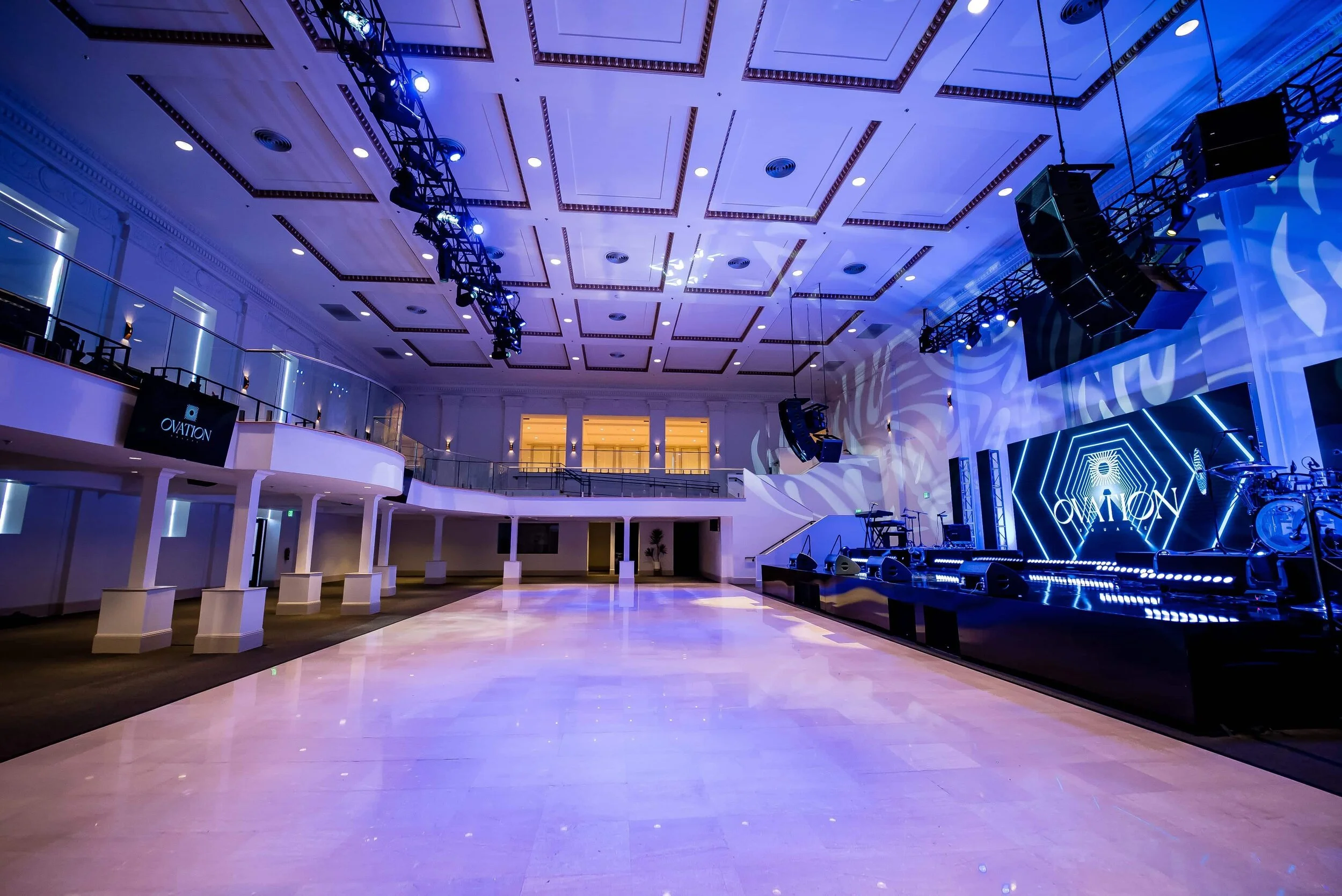
Finding the right venues in Los Angeles for a large wedding takes more than choosing a beautiful location. When you're planning for 500 or more guests, the venue needs to handle logistics just as well as aesthetics. From guest flow and production capabilities to flexible layouts and experienced staff, every detail plays a role in creating a celebration that feels organized, comfortable, and memorable.
Large weddings often include multiple generations of family, elaborate receptions, live entertainment, and full-service catering. The right venue should make those moving parts work together seamlessly while still reflecting your personal style.
Not Every Large Venue Is Designed the Same
Many venues advertise a high guest capacity, but that number doesn't always tell the full story.
A ballroom that seats 500 guests may feel crowded once you add a dance floor, entertainment stage, sweetheart table, photo booth, and buffet stations. On the other hand, a thoughtfully designed venue can comfortably accommodate the same number of guests while maintaining an open, welcoming atmosphere.
When comparing venues in Los Angeles, look beyond the maximum occupancy. Ask how the venue is typically arranged for weddings similar to yours and whether the layout can adapt to your reception plans.
The best venues are designed to keep guests comfortable from the ceremony through the final dance.
Compare Features That Matter for Weddings with 500+ Guests
Planning a large wedding means evaluating more than square footage. The venue should support every stage of the celebration without creating bottlenecks or logistical challenges.
As you compare venues, pay close attention to features such as:
Spacious ceremony and reception areas that allow guests to move comfortably
Flexible floor plans for dining, dancing, entertainment, and lounge spaces
Multiple entrances or breakout areas to reduce congestion
Convenient parking or valet services for large guest arrivals
Dedicated vendor access for efficient setup and breakdown
Private suites for the wedding party before the ceremony
Looking at these practical details makes it much easier to compare venues objectively instead of relying solely on photos.
Production Capabilities Make a Big Difference
As guest counts increase, production becomes a much larger part of the overall experience.
Lighting, sound, staging, and video displays help guests stay connected to important moments, especially in larger reception spaces where not everyone has the same view.
Ask whether the venue includes built-in audiovisual systems or works regularly with outside production companies. Venues that frequently host large celebrations usually have established procedures for coordinating technical vendors, equipment load-in, and event timing.
Professional production doesn't have to be extravagant. Its primary purpose is to ensure that every guest can clearly hear speeches, enjoy the entertainment, and feel engaged throughout the evening.
Well-executed production often goes unnoticed because everything simply works.
Historic Character or Contemporary Design?
Architectural style is one of the biggest differences you'll notice while touring wedding venues.
Historic venues often feature original craftsmanship, dramatic staircases, ornate ceilings, and timeless details that create a romantic atmosphere with minimal decorating. Many couples appreciate the sense of history these spaces bring to wedding photography.
Modern venues offer a different kind of flexibility. Clean architectural lines, neutral interiors, expansive windows, and adaptable floor plans make them easier to personalize with lighting, floral installations, and custom décor.
Neither option is automatically better.
Instead, consider how the venue complements your wedding vision, guest experience, and overall style rather than following current trends.
The right venue should feel like a natural extension of your celebration.
Think Beyond the Wedding Day
A venue's appearance is only one part of the decision.
Equally important is the experience leading up to the wedding.
During your venue tours, ask how the planning process is managed, who will coordinate with your vendors, and whether an event manager remains on-site throughout the celebration.
Large weddings involve dozens of suppliers working within tight timelines. Experienced venue teams help those moving pieces stay organized so couples can focus on enjoying the day instead of solving last-minute problems.
Good coordination often becomes invisible to guests, but it has a major impact on how smoothly the event unfolds.
Balance Capacity with Guest Experience
Choosing one of the largest venues in Los Angeles isn't always the best solution.
A venue should feel appropriately sized for your guest list while providing enough flexibility for dining, entertainment, and comfortable movement throughout the event.
When the space is planned well, guests spend less time navigating crowded areas and more time celebrating with family and friends.
That balance between scale and comfort is often what separates a memorable large wedding from one that simply accommodates a high number of people.
Final Thoughts
The best venues in Los Angeles for large weddings combine generous capacity with thoughtful design, experienced coordination, and reliable production support. While beautiful architecture creates a memorable first impression, it's the venue's ability to manage hundreds of guests comfortably that ultimately shapes the wedding experience.
If you're planning a large celebration, Piovra can help you compare venues that match your guest count, wedding style, and production requirements. Choosing the right venue early creates a stronger foundation for every decision that follows.
Frequently Asked Questions
Q. What size venue is best for a wedding with more than 500 guests?
A. Look for a venue that comfortably accommodates your guest count after accounting for dance floors, staging, entertainment, catering stations, and other event elements. Maximum occupancy numbers alone don't always reflect a realistic wedding layout.
Q. Should large wedding venues include built-in audiovisual equipment?
A. Many venues provide basic AV systems, while others partner with professional production companies. Ask what is included and whether additional equipment is recommended for your guest count.
Q. Are historic venues suitable for large weddings?
A. Yes. Many historic venues have hosted large celebrations for decades. The key is confirming that the venue's layout, accessibility, and production capabilities match your wedding plans.
