7 Features That Define Top Venues in Los Angeles
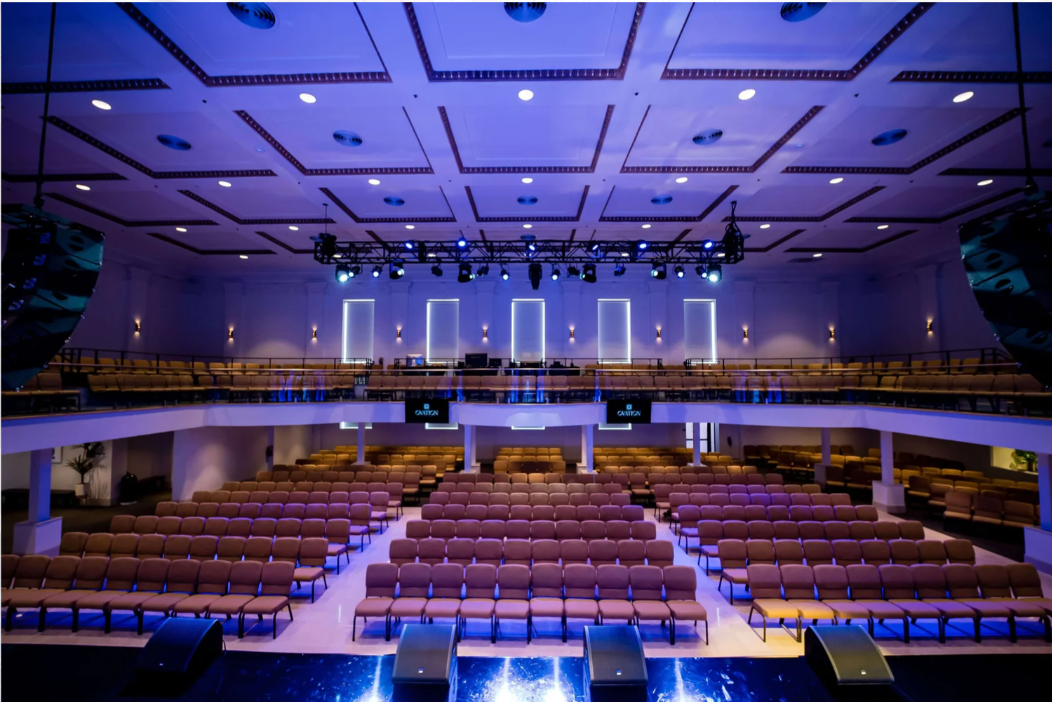
Choosing among venues in Los Angeles takes more than finding a space that looks impressive online. The right venue needs to fit the event itself, whether you're planning a corporate gathering or a private celebration. Details such as the building's character, how the space can be arranged, and the technical support available can have a real impact on the final experience.
Los Angeles has event spaces for many different occasions. Some have a distinctive architectural style, while others offer multiple rooms or production facilities that make more complex events easier to manage. Knowing what to look for can help you narrow your options before scheduling a tour.
1. Architectural Character That Sets the Mood
A venue's architecture shapes the atmosphere before the event even begins. The look and feel of a space can influence how guests experience the occasion, while also giving event designers a starting point for the overall concept.
Some events call for a polished, contemporary setting. Others work better in a historic building or an industrial space with visible architectural details. The key is finding a venue whose existing character supports the event rather than competing with it.
When touring a space, pay attention to the features that will be visible throughout the event. High ceilings can change the feel of a room, while distinctive walls may become a natural backdrop for photography. Consider how the venue will look once guests arrive and the room is fully set up.
Piovra Group's venue collection includes a range of architectural styles. 2101 Gallery, for example, is presented as a graffiti event space in West LA, while The Tuscan LA offers an Italian-style villa setting. Each creates a different starting point for event design.
Explore the Piovra Group venue directory to see the available spaces and compare their styles.
2. An Atmosphere That Fits the Event
A venue can look beautiful and still be the wrong fit for a particular occasion. The atmosphere needs to make sense for the people attending and the purpose of the gathering.
For a corporate event, you may want a space that feels professional without being too formal. A private celebration might call for a more relaxed environment, while a brand launch could benefit from a venue with a strong visual identity.
Think about how you want guests to feel when they walk through the door. A rooftop space creates a different first impression from an intimate lounge or a large industrial venue. The setting should support the event concept instead of forcing you to work around it.
Lighting also plays a role. A room that feels understated during the day may take on a different mood once the event lighting is in place. Ask whether the venue allows adjustments to its lighting and whether any existing features will affect your design plans.
When comparing venues in Los Angeles, look beyond the venue's most polished photographs. Ask to see images of real events held in the space, especially ones with a similar guest count or setup to yours.
3. Flexible Spaces for Different Parts of the Event
A flexible venue gives planners more control over how the event unfolds. This matters when a gathering includes different activities that need separate areas or when the room must change during the day.
For example, a corporate gathering may begin with guest arrivals and move into a presentation before the main reception. Having suitable areas for each stage can make transitions feel more natural.
During your search, find out whether the venue has multiple rooms or distinct areas that can be used together. Ask about the rental arrangement, since access to every part of a property may not be included in every booking.
Consider these practical questions:
Can the venue accommodate the planned guest count in the layout you need?
Is there a separate area for registration or guest arrivals?
Can one room be used for a presentation while another is prepared for the reception?
Are there restrictions on moving furniture or changing the setup?
How much time is available for the transition between event stages?
Piovra Group's collection includes spaces with different layouts and purposes. Its directory features options such as rooftop venues, studios, theaters, and banquet halls. Reviewing these categories can help you identify spaces that are better suited to your event requirements.
Start with the event venue types listed by Piovra Group to compare the available options.
4. On-Site Technical Production Support
Technical production can determine whether an event runs smoothly, particularly when presentations or entertainment are involved. A venue may look right for your concept, but the available equipment and support need to match what you plan to do there.
Before booking, ask what is already installed and what needs to be brought in. Some venues have built-in sound systems or stages. Others may require additional equipment, which can affect both the budget and setup schedule.
The details become especially important for events with presentations, live performances, or branded visuals. A screen that works for a small meeting may not suit a large audience, and the sound requirements for a DJ can differ from those of a speaker using a microphone.
Ask the venue team about the available equipment and whether technical staff will be present during setup. If outside production vendors are allowed, confirm when they can access the space and whether there are any restrictions on installation.
Piovra Group offers event production services that cover areas such as lighting, sound, staging, and event setup. Having production support available through the same company helping with the venue can make coordination easier, depending on the scope of the project.
The important thing is to confirm the technical requirements early. Waiting until the final planning stages can leave less time to resolve equipment gaps.
5. A Layout That Works for Guests
The way a venue is arranged affects how people move through the event. A room may have enough capacity on paper, but that does not automatically mean it will work well for the planned setup.
Think about what guests will be doing throughout the event. If everyone needs to see a stage or screen, check sightlines from different parts of the room. If the event includes a reception, make sure there is enough space for people to move around without crowding the main activity area.
The venue team should be able to explain the capacity for your preferred setup. A standing reception may accommodate a different number of guests than a seated dinner, so ask for figures that match your actual plans.
Accessibility also deserves attention. Ask about accessible entrances and restrooms, along with any steps or narrow passageways that could affect guest movement.
A useful venue tour should help you picture the event as it will happen, rather than simply showing you an empty room. If possible, request a floor plan and discuss how the proposed layout will support your timeline.
6. Location and Access That Make Sense
A venue's location can affect attendance and the amount of planning required before the event. Los Angeles is spread across many neighborhoods, so travel time should be part of your decision rather than an afterthought.
Start by considering where most guests will be coming from. For a corporate event, proximity to an office or hotel may be important. For a private celebration, parking and rideshare access might be bigger concerns.
Check the surrounding area before booking. Look at parking options and consider how guests will arrive during the time of day your event is scheduled. If the venue is in a busy area, ask whether there are any access restrictions that could affect vendor load-in or guest arrivals.
You should also consider the location in relation to the event itself. A production-heavy gathering may need convenient vendor access, while an event built around the setting may benefit from a more distinctive neighborhood.
Piovra Group organizes its venue directory by area, including West Hollywood, Downtown LA, Culver City, and Santa Monica. This can help planners narrow their search based on the location that makes the most sense for their event.
Browse venues by area on the Piovra Group website to begin comparing locations.
7. A Venue Team That Understands Event Logistics
Even a well-designed venue requires careful coordination. The venue team's communication and familiarity with event requirements can affect how confidently you move through the planning process.
During your first conversations, notice how clearly the team answers questions. You should be able to understand the booking process, what is included, and which details still need to be confirmed.
Ask about vendor access, setup windows, and the process for handling changes to the event plan. If your event involves a detailed production schedule, find out who will be your main contact and how coordination will work on the day.
It is also helpful to understand where the venue team's responsibilities end. Some venues provide the space and basic amenities, while other arrangements may include production or additional event services. Knowing the difference can help you plan the budget accurately.
Piovra Group works with clients on venue booking and offers event production services as well. Depending on your needs, its team can help identify a suitable space and discuss the support required to bring the event together.
For planners comparing venues in Los Angeles, clear communication is worth treating as part of the venue evaluation. It may not be the most visible feature during a tour, but it can matter a great deal once planning gets underway.
Find a Venue That Fits Your Event
The best venues in Los Angeles are not necessarily the ones with the most elaborate interiors or the longest list of amenities. They are the spaces that suit the event, support the planned setup, and make the experience work for everyone involved.
If you're comparing options for an upcoming event, start by identifying the features you truly need. Then explore the Piovra Group venue directory to review available spaces. If you need help finding a suitable venue or coordinating production, you can also learn more about Piovra Group's services.
Frequently Asked Questions
Q. What makes a venue one of the top venues in Los Angeles?
A. A strong venue fits the event's purpose and can support the planned guest experience. The architecture should suit the concept, the layout should work for the activities, and the available technical facilities should meet the event's needs. Planners should also consider access and how clearly the venue team explains the booking arrangements.
Q. How do I choose between different types of event venues?
A. Start with the purpose of the event and the experience you want guests to have. Then compare the available spaces based on capacity, layout, atmosphere, and technical requirements. A rooftop venue may suit one concept, while a studio or theater may be more practical for another. Touring your shortlisted spaces can help you make a more informed decision.
Q. Why is technical production support important?
A. Technical support helps ensure that equipment for sound, lighting, staging, or presentations is suitable for the event. It can also help identify potential problems before guests arrive. Ask which equipment is included in the venue rental and whether staff will be available to assist during setup or the event itself.
Q. Should I choose a venue with multiple rooms?
A. Multiple rooms can be useful when an event includes activities that need separate spaces. They may allow guests to move from one part of the program to another without requiring a complete change to the main room. However, a single well-designed space may be sufficient for a simpler event. The right choice depends on your schedule and layout requirements.
Q. When should I book an event venue in Los Angeles?
A. It is generally helpful to start your search as early as possible, especially if you have a fixed event date or need a venue with specific production features. Booking early gives you more time to compare options and coordinate vendors. The ideal timeline depends on the event's scale, the date, and the availability of your preferred venue.
