5 Questions to Ask Before Booking an Event Space Rental
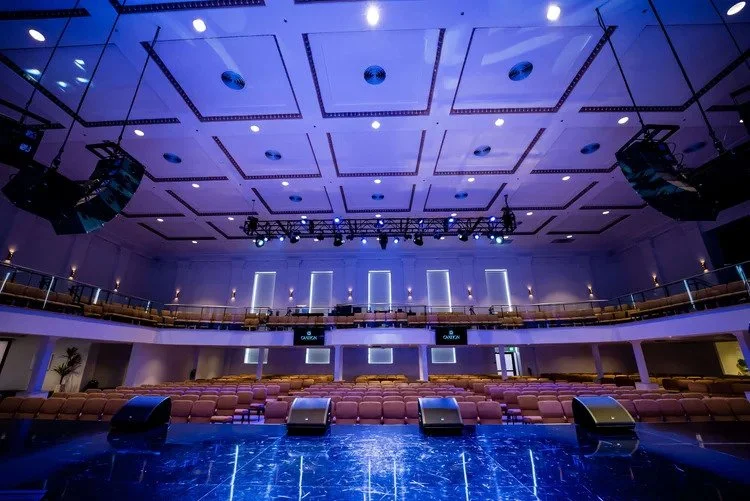
Choosing the right event space rental starts with understanding what a venue can actually provide beyond its appearance. The best event spaces support the overall flow of an event before any planning details become a challenge.
Finding a venue is often one of the earliest decisions in the planning process. Many spaces may look impressive online, but the real questions begin when you think about how the event will operate on the actual day.
Will guests move comfortably through the space? Can the venue support the production setup? Does the layout work for the type of experience you want to create?
These details are what separate a beautiful location from a truly functional event environment.
What Should You Consider Before Choosing an Event Space Rental?
An event venue is not just a physical location. It becomes the foundation for everything that happens during the event.
The right space can make planning easier because the venue already supports the needs of the gathering. The wrong choice can create additional challenges that affect timing, guest experience, and production.
Before booking, planners should understand how the venue works behind the scenes.
A few important areas to evaluate include the technical capabilities, accessibility, and flexibility of the space. These factors often determine whether the event feels organized or stressful.
1. Does the Event Space Rental Support Your Technical Production Needs?
Technical production is one of the most important questions to ask before selecting a venue.
Many events today include some level of production. A venue that cannot support these needs may create limitations later in the planning process.
A space can have a great design but still require significant adjustments if the technical setup is not considered early.
Before booking, ask about the venue’s production capabilities:
What audio and visual equipment is available or permitted?
Are there restrictions for lighting, staging, or external equipment?
How much setup time is available before the event begins?
Are there technical staff or venue contacts available to assist?
These questions help clarify what the venue can handle and what may require additional planning.
For example, a corporate presentation hosted in a corporate event space requires a different technical approach than a private celebration with live entertainment. Understanding these differences early allows planners to choose a venue that matches the event goals.
A strong event space rental should make production feel manageable instead of creating unnecessary obstacles.
Why Do Parking and Accessibility Matter When Choosing a Venue?
Guest experience begins before anyone enters the event space.
Parking and accessibility are sometimes overlooked because planners naturally focus on the interior design of the venue. However, the arrival experience can influence how guests feel from the beginning.
A venue that is difficult to access can create frustration before the event even starts. Guests may spend extra time looking for parking or figuring out where to go.
Accessibility also plays an important role in creating an inclusive environment. Every guest should be able to comfortably enter, move through, and enjoy the space.
When reviewing a venue, consider:
The availability of parking options nearby.
How easy the entrance is to locate.
Whether the venue supports different guest mobility needs.
How transportation works for larger gatherings.
These practical details may not appear in venue photos, but they have a major impact on the overall experience.
A well-planned event considers the guest journey from arrival to departure.
How Does Layout Flexibility Impact Different Types of Events
Every event has a different purpose, which means the space needs to support different types of movement.
A networking event requires open areas where conversations can happen naturally. A presentation may need a more structured setup focused toward a stage or screen. A celebration may require room for dining, entertainment, or social activities.
This is why layout flexibility matters.
A venue with adaptable space allows planners to create an environment that matches the event instead of adjusting the event around venue limitations.
During a venue visit, consider how the layout supports:
Guest arrival and check-in
Seating arrangements
Entertainment placement
Food and beverage service
Conversation areas
A flexible venue gives planners more options when designing the experience.
It also makes it easier to adjust when event plans change. Many gatherings evolve during the planning process, so having a space that can adapt becomes a valuable advantage.
What Questions Should You Ask During a Venue Walkthrough
A walkthrough is the best opportunity to understand how the venue actually functions.
Photos and online descriptions provide helpful information, but they rarely show the complete experience. Visiting the space allows planners to see guest movement, vendor access points, and possible challenges.
During a walkthrough, it helps to ask practical questions instead of only focusing on appearance.
Consider asking:
Where will guests enter?
Where will vendors load the equipment?
How does the event transition from one area to another?
Are there areas that may become crowded?
How does the venue support setup and breakdown?
These answers reveal how prepared the venue is for real event operations.
A strong venue team should be able to explain how previous events have been managed and what planners should expect.
Why Is Functionality Just as Important as Venue Style?
The visual appeal of a venue is usually what attracts attention first.
However, successful events depend on much more than appearance.
A venue needs to support the people, equipment, schedule, and activities happening inside it. A beautiful space that creates logistical problems can become difficult to manage.
On the other hand, a venue that understands event flow can make the entire experience feel smoother.
The best event spaces balance design with practicality. They provide an environment where creativity can happen without constant limitations.
Frequently Asked Questions
Q1. What is the most important thing to check before booking an event space rental?
A. The most important factor is whether the venue matches the actual needs of your event. This includes production requirements, guest comfort, layout flexibility, and operational support.
Q2. Why should I ask about AV capabilities before booking?
A. AV requirements can affect presentations, entertainment, and overall event quality. Understanding what a venue can support prevents technical issues during the event.
Q3. How does venue layout affect guest experience?
A. Layout influences how guests move, interact, and participate. A well-designed space helps the event flow naturally from one moment to the next.
Q4. Is parking really important when choosing a venue?
A. Yes. Parking and accessibility affect the first impression guests have and can influence how comfortable they feel throughout the event.
Q5. Should I visit an event space before booking?
A. A venue visit is highly recommended because it provides a better understanding of the actual space, logistics, and possible planning challenges, particularly when evaluating venues for conferences or events with complex setup requirements.
Final Thoughts
Choosing an event space rental requires looking beyond the first impression. The best venues support the practical details that allow an event to run smoothly while still creating the right atmosphere.
By asking about production capabilities, accessibility, and layout options before booking, planners can make a more informed decision.
A great venue does not just hold an event. It helps the entire experience come together.
